
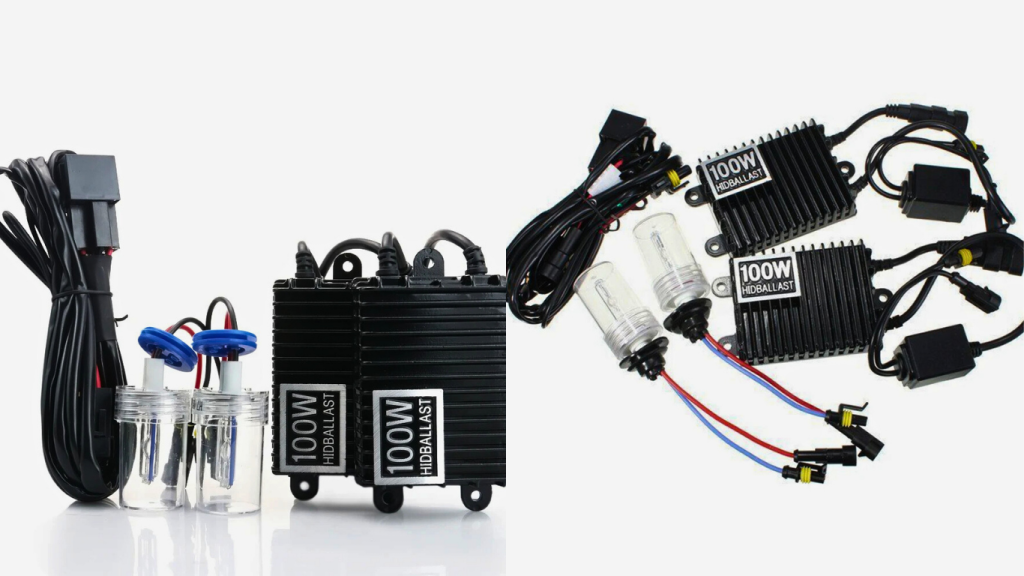
Lighting is crucial when it comes to driving safely at night or in bad weather. That’s why automotive enthusiasts and practical drivers alike are making the shift from traditional halogen bulbs to high-performance HID systems. One of the most powerful options on the market today is the Xenon Ballast Kit AC12V 100W High Power HID Headlight Bulb, compatible with H1, H3, and H7 sockets and available in three popular color temperatures—4300K, 6000K, and 8000K.
In this guide, you’ll find everything you need to know about upgrading your vehicle’s lighting system with this high-powered Xenon HID kit. From understanding the basic technology to installation tips and long-term benefits, we’ve got you covered.
Introduction to HID Xenon Technology
What is a Xenon Ballast Kit?
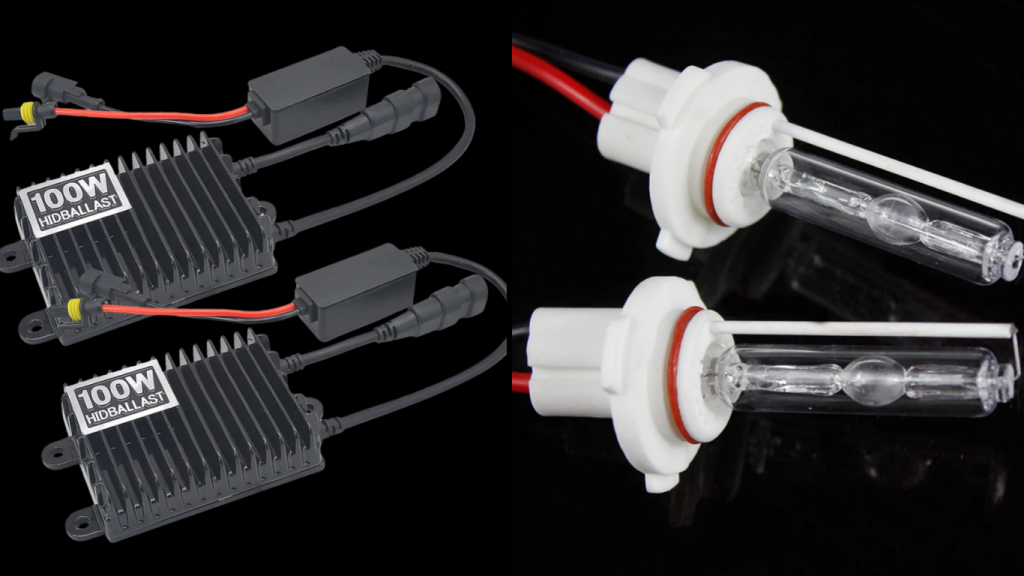
A Xenon Ballast Kit is the heart of any HID (High-Intensity Discharge) lighting system. Unlike halogen bulbs that use filaments to produce light, HID bulbs create an arc of light between two electrodes housed in a gas-filled bulb. To ignite and maintain this arc, a ballast is required.
Think of the ballast as a mini power plant for your headlight system. It converts the 12V DC from your car’s electrical system into the high-voltage AC needed to power HID bulbs—around 23,000 volts for ignition and around 85V to sustain the arc. Without a ballast, the bulb simply won’t turn on or operate correctly.
This particular kit offers an AC12V 100W ballast, which means it uses alternating current instead of direct current. That distinction matters more than you might think. We’ll get into that soon.
How HID Xenon Lights Work
Here’s the process in a nutshell:
- Ignition: The ballast sends a high-voltage pulse to ignite the Xenon gas inside the bulb.
- Warm-up: Once the arc is established, the bulb warms up to reach full brightness, which takes just a few seconds.
- Stable Operation: The ballast regulates the voltage to maintain steady, bright light without flickering.
This system mimics the lighting technology used in stadiums, airplanes, and luxury cars. It’s why your ride will instantly feel more high-end after this upgrade.
Buy Here
Key Features of the AC12V 100W High Power Xenon Kit
High Power Output: Why 100W Matters
The average HID system runs on 35W to 55W of power. So, when you’re looking at a 100W setup, you’re talking about serious brightness—nearly three times the luminosity of a standard halogen bulb and well above most HID systems. But brightness isn’t the only reason to go for 100W.
- Improved Visibility: The light beam cuts further and wider, which means more road is visible.
- Better Light Penetration: In fog, rain, or snow, the stronger light has better reach.
- High-Performance Look: More intense lighting gives your car a modern, aggressive appearance.
However, higher wattage does come with increased heat production. That’s why these kits are designed with durable components that can handle the heat without degrading over time.
AC Ballast vs DC Ballast: Which One Is Better?
When choosing a ballast, AC (Alternating Current) is vastly superior to DC (Direct Current) for a few key reasons:
- Stability: AC ballasts provide a more consistent light output without flickering.
- Longevity: HID bulbs last longer when powered by an AC ballast due to lower thermal stress.
- Color Accuracy: AC systems tend to maintain true color temperature, whereas DC may shift over time.
So, even though AC systems might be slightly more expensive, the trade-off is better performance, reliability, and a longer lifespan.
Click Here
Compatibility and Fitment of the Xenon HID Kit
Understanding H1, H3, and H7 Bulb Sizes
HID bulbs come in a variety of sizes, and compatibility matters. This particular kit supports H1, H3, and H7 sockets, which are among the most commonly used in vehicles today. Here’s a breakdown:
- H1: Typically used for high beams or auxiliary lights in older vehicles.
- H3: Often found in fog lights or spotlights.
- H7: Very popular in European and Asian vehicles for low or high beam functions.
Before purchasing, check your owner’s manual or pull out the bulb to see the size printed on its base. Ensuring the right fit is crucial for both safety and performance.
Vehicle Compatibility: Universal or Specific?
The beauty of most aftermarket HID kits is their universal compatibility, and this kit is no exception. Designed to run on a standard 12V electrical system, it fits the majority of cars, trucks, and motorcycles. Still, a few things to consider:
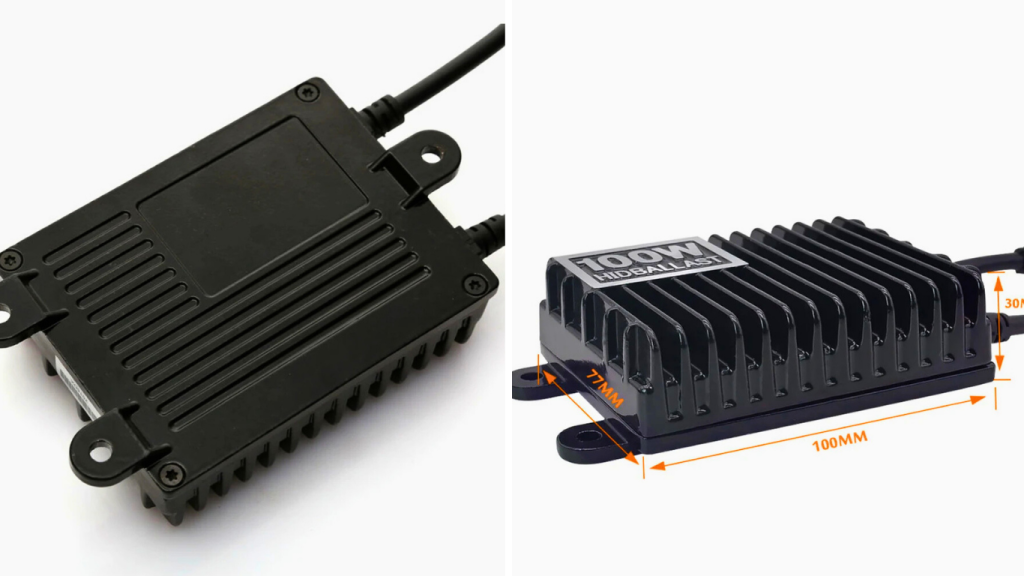
- Space: HID ballasts are bulkier than standard bulbs. Make sure your engine bay has enough room.
- Projector vs Reflector Housing: For best results and legal compliance, HIDs should be installed in projector housings to avoid scattering light and blinding other drivers.
- Canbus Systems: Some modern vehicles require a Canbus ballast to avoid dashboard error messages. Check if your vehicle has a Canbus system before buying.
Color Temperature Options: 4300K, 6000K, 8000K
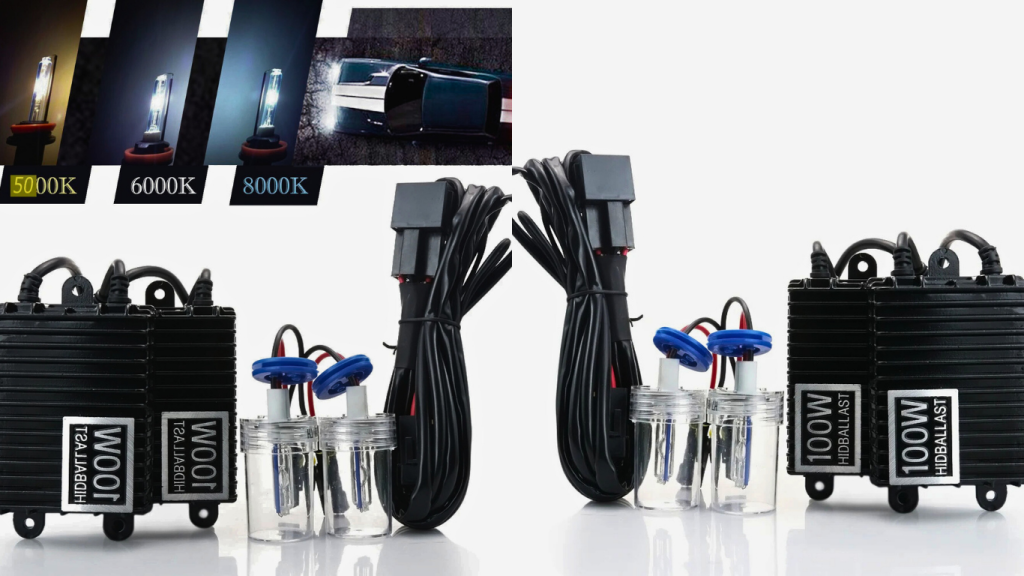
4300K – Best for Visibility and All-Weather Driving
If you prioritize function over form, 4300K is your best bet. This temperature emits a warm white to slightly yellowish light, closely mimicking natural daylight. That means:
- Superior Road Visibility: Especially effective in fog, rain, and snow.
- Eye Comfort: Reduces strain on your eyes during long drives.
- OEM Look: Matches the factory-installed HID systems in many luxury vehicles.
Most professional drivers and commuters prefer 4300K for its practical benefits. It’s a no-nonsense option that gets the job done, no matter the weather or road condition.