
What is a Melon Ball Scoop and Why Every Kitchen Needs One
At first glance, a melon ball scoop might seem like a novelty item—something you pick up on a whim during a late-night kitchen gadget shopping spree. But don’t be fooled by its simplicity or small size. This stainless steel fruit spoon is a game-changer in any kitchen setup. Whether you’re prepping a fresh fruit salad, crafting the perfect sorbet presentation, or even plating butter in fancy spheres, this tool earns its keep fast.
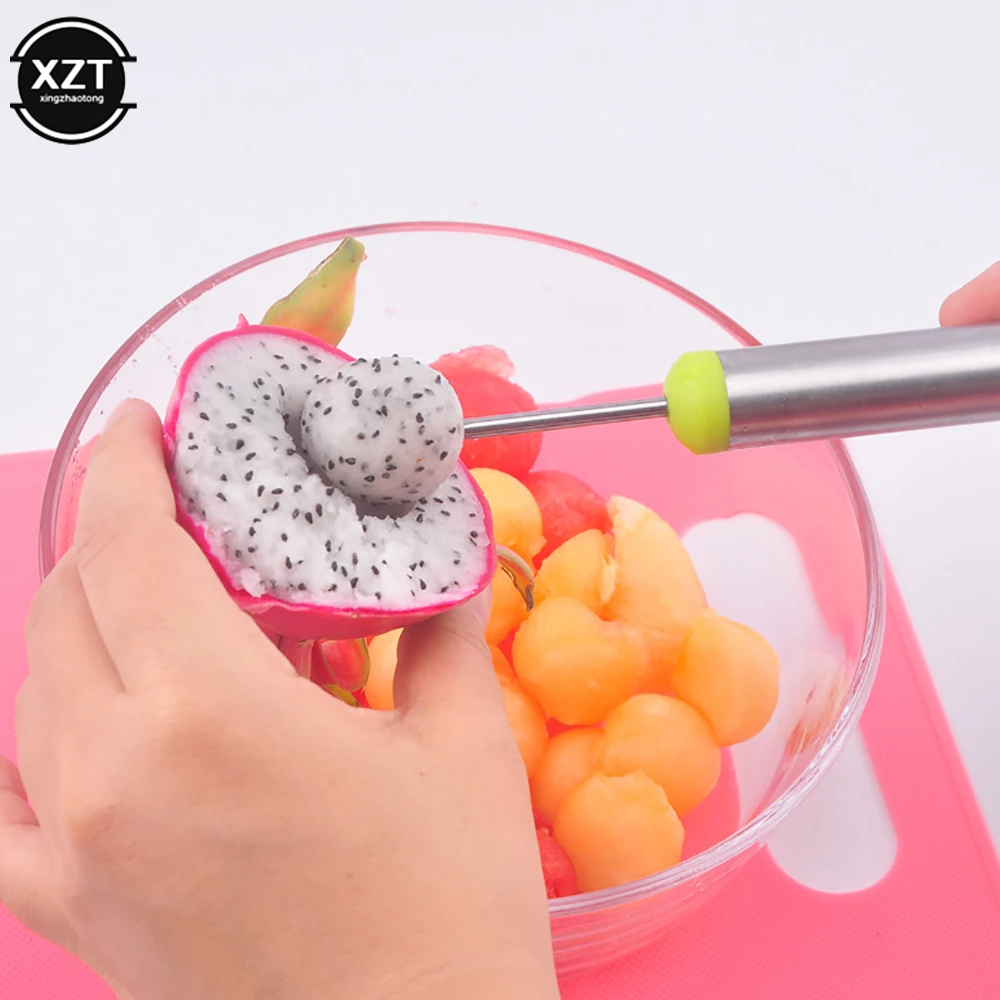
A melon baller, sometimes called a fruit scoop or sphere spoon, is a small, handheld tool with a rounded metal end designed to carve out perfectly shaped spheres from soft foods like melons, ice cream, and more. The most popular version is made of stainless steel for maximum hygiene, durability, and ease of use.
So why is it a must-have? Because it transforms ordinary kitchen prep into a creative art form. Want your fruit plate to look like it came from a 5-star resort brunch? Use a melon scoop. Tired of your ice cream looking like a melted mess in a bowl? Scoop it with style. Want to keep things uniform, neat, and downright elegant? You guessed it—grab that melon baller.
Let’s face it: presentation matters. And with just one swipe, this tiny tool turns your average fruit salad into a gourmet display.
Buy Here
Key Features of a High-Quality Fruit Scoop
When you’re shopping for kitchen tools, quality always matters. That’s especially true for something like a melon ball scoop, which needs to be precise, durable, and easy to handle. Here are the top features to look for when selecting a high-quality melon scoop for your kitchen.
Size and Shape of the Scoop
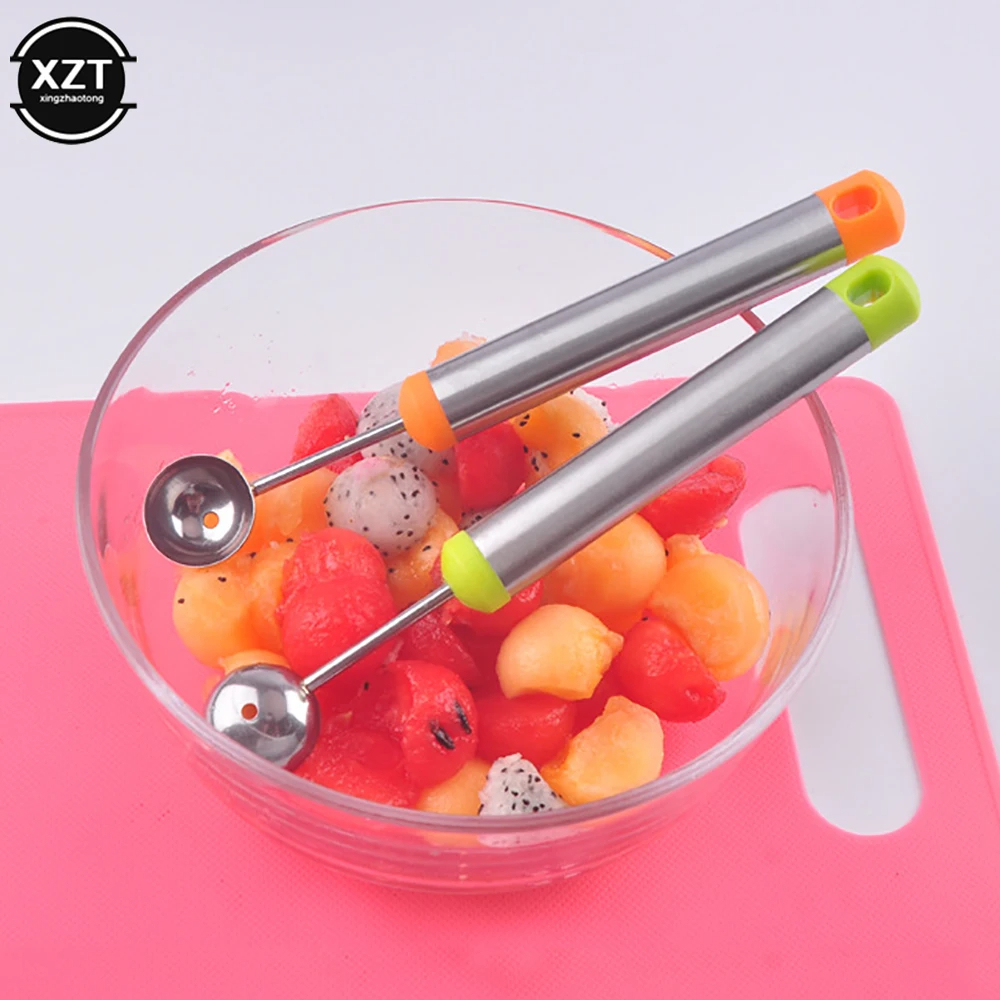
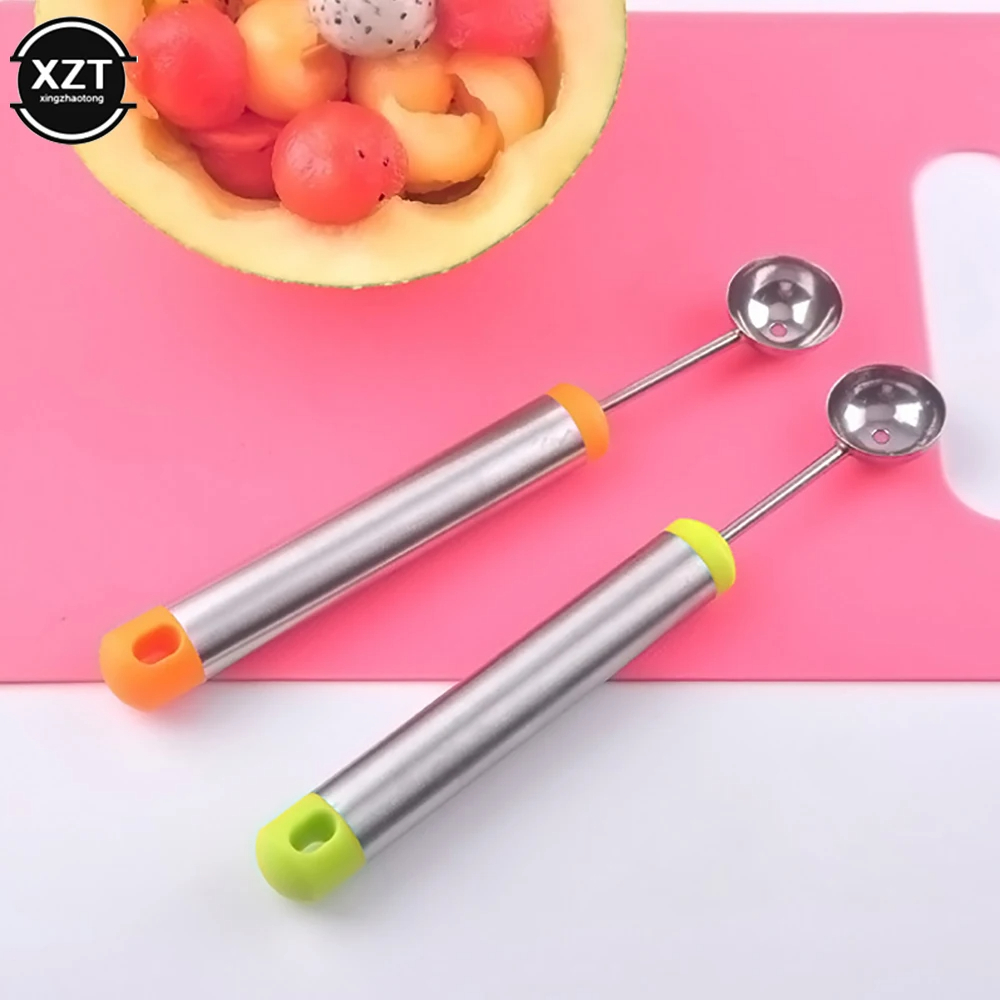
The scoop should be rounded to create clean, even fruit balls, but the size makes all the difference. Most standard melon ballers come with a 1-inch diameter, which is perfect for small bites that look great in salads or cocktails. Some models come with dual-ended scoops of varying sizes—giving you even more flexibility.
Look for scoops with slightly sharpened edges; they should glide through fruit flesh effortlessly without requiring too much pressure. The edge should be sharp enough to scoop cleanly but not so sharp that it becomes a safety concern.
Handle Design and Grip Comfort
Don’t underestimate the importance of a good grip. Scooping melons, ice cream, or cheese can require a bit of torque, especially when working with chilled or firmer ingredients. An ergonomic, non-slip handle made of silicone or textured steel can prevent hand fatigue and improve accuracy.
Handles that are too thin may cramp your hand, especially if you’re using the scoop for extended food prep. If comfort matters (and it should), invest in one with a contoured or rubberized handle for ease.
Dual-Ended vs Single-End Tools
Many melon scoops come in dual-ended designs—one side larger, the other smaller. This isn’t just about variety; it’s about versatility. Use the small end for delicate garnishes or tiny fruit like grapes, and the larger end for watermelons or scooping butter balls for a bread basket.
A single-ended tool, on the other hand, often provides more structural stability and can sometimes have better leverage due to its simpler construction. It’s a trade-off, but both types have their perks depending on your intended use.
Whether you’re a culinary artist or a casual foodie, a good melon scoop with these features will quickly become one of your favorite tools in the drawer.
Creative Ways to Use Your Melon Scoop
Sure, the name says “melon scoop,” but don’t let that limit your imagination. This tiny kitchen powerhouse can do much more than carve out cantaloupe or watermelon. Here are a few creative ways to use your scoop and impress anyone who walks into your kitchen.
Watermelon, Cantaloupe, and Honeydew Masterpieces
Let’s start with the obvious—but with flair. Instead of slicing up melons into cubes or chunks, use your scoop to create an aesthetically pleasing bowl full of vibrant, juicy spheres. Not only does it elevate the look, but it also makes the fruit more fun and approachable, especially for kids.
Pro tip: Mix melon balls of different types (orange cantaloupe, green honeydew, and red watermelon) to make a colorful, refreshing salad. Sprinkle some mint leaves or a dash of lime juice for added freshness.
Ice Cream and Sorbet Serving Ideas
Who says melon scoops are just for fruit? Use them to portion out mini scoops of ice cream or sorbet for desserts, tasting plates, or ice cream samplers. They’re perfect for parties where guests can sample multiple flavors without overloading their bowl.
Want to wow your dinner guests? Serve small spheres of mango sorbet or coconut ice cream in carved-out fruit shells using your melon scoop. Add some fruit balls and a mint sprig—voila, instant dessert masterpiece.
Click Here
Crafting Fancy Fruit Plates for Parties
Planning a baby shower, brunch, or garden party? Use your melon scoop to craft an elegant fruit platter that doubles as edible decor. Shape kiwi, strawberries, and even bananas into creative patterns, stacking the fruit balls or lining them up in rainbow formations.
These scoops are also ideal for creating fruit skewers, adding uniformity and charm to kebabs of grape, pineapple, and melon balls. It’s healthy, colorful, and guaranteed to be a conversation starter.