
Introduction to The Psychology of Money
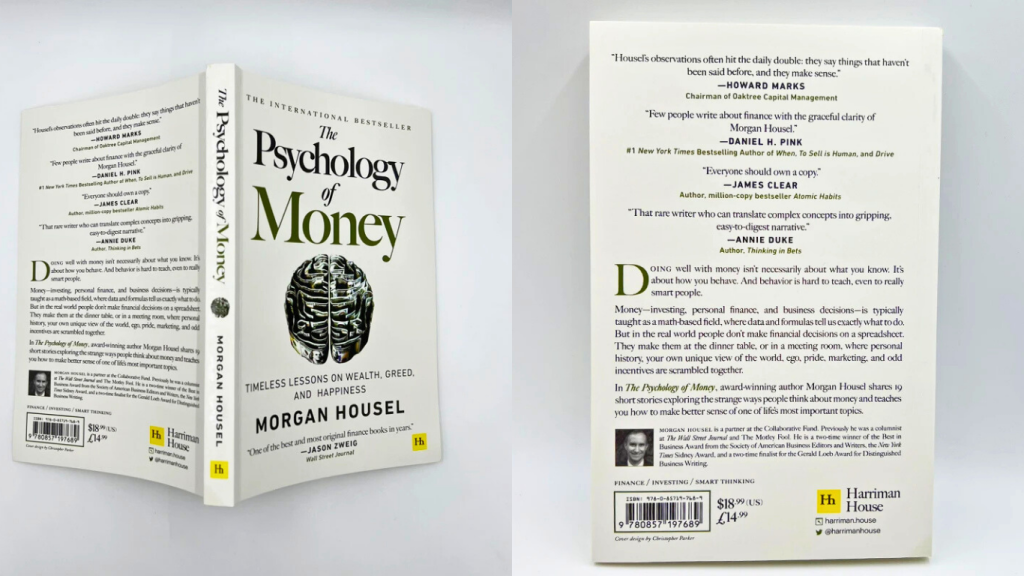
Money is not just about numbers, formulas, or stock market charts. It is deeply tied to human emotions, behaviors, and the stories we tell ourselves about success. That’s the central idea behind Morgan Housel’s bestselling book, The Psychology of Money. Unlike traditional finance books packed with investment strategies and technical jargon, this one focuses on how our thoughts, fears, habits, and even upbringing affect the way we handle money.
In today’s fast-paced financial world, where people are bombarded with investment advice and quick-rich schemes, this book serves as a refreshing reminder: wealth is not purely a math problem—it’s a behavior problem. You can have the best financial knowledge in the world, but if you lack the discipline to control emotions like greed and fear, you’ll struggle to build lasting wealth.
Housel uses timeless stories and real-world examples to explain why some people end up financially successful while others fail despite having the same opportunities. He highlights that financial success doesn’t necessarily come from IQ or intelligence, but from patience, humility, and consistent behavior over time.
So, if you’ve ever wondered why some lottery winners go broke while modest savers quietly retire rich, The Psychology of Money has the answers.
The Psychology of Money
Understanding the Core Message of the Book
At its heart, The Psychology of Money teaches us that financial success is more about how you behave than what you know. Too many people think investing is all about finding the best stock, predicting market crashes, or chasing high returns. But in reality, even the most sophisticated strategies won’t work if you can’t control your emotions.
Money is not just about accumulation; it’s about peace of mind, freedom, and security. People often make irrational decisions when fear or greed takes over. For example, selling investments too quickly during a market dip is often the result of fear, while holding onto risky assets out of greed can lead to devastating losses.
Housel stresses that managing money is less about mastering spreadsheets and more about managing your own psychology. Your relationship with money is shaped by personal experiences—someone who grew up during a financial crisis will likely save more conservatively, while someone raised in prosperity might take bigger risks.
In short, the book’s core message is: financial success is not about being the smartest person in the room, but about being the most disciplined one.
Buy Here
The Role of Luck and Risk in Wealth Building
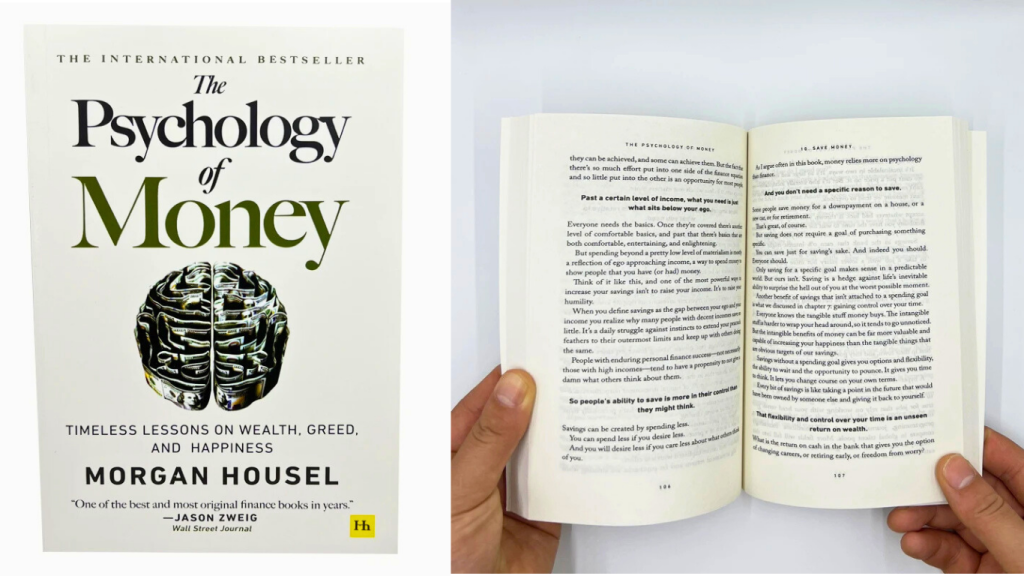
One of the most fascinating insights in the book is the recognition of luck and risk. Too often, we celebrate billionaires and successful entrepreneurs as if they alone carved their path with intelligence and effort. While hard work is crucial, luck also plays a massive role. Being born in the right place, at the right time, or even meeting the right people can completely alter financial outcomes.
Take Bill Gates, for example. Yes, he’s brilliant, but he also had access to one of the few high school computers in the world at that time. Without that stroke of luck, his path might have looked very different. Similarly, countless people with incredible skills never get recognized because they lacked the right opportunities.
On the flip side, risk is just as powerful. You could make all the “right” decisions, but one unlucky event—a medical emergency, an accident, or a sudden economic downturn—can wipe out years of progress. This is why Housel emphasizes humility. Instead of assuming success comes purely from skill, we should acknowledge luck’s role and prepare for risk by building safety nets.
The key takeaway? Don’t idolize success blindly, and don’t demonize failure completely. Both are shaped by a mix of effort, luck, and risk.
Click Here
The Power of Compounding and Patience
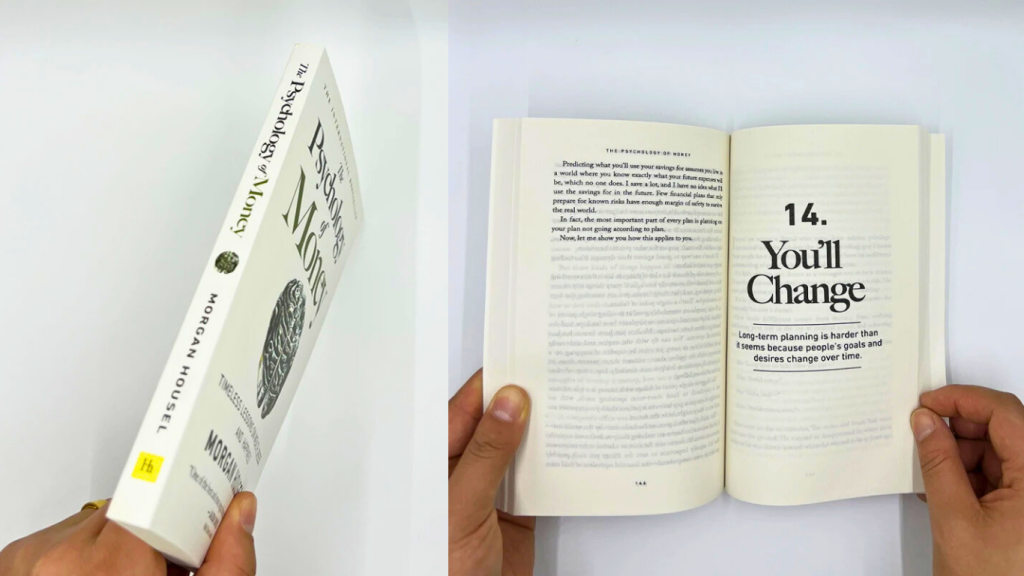
If there’s one financial principle people underestimate, it’s compounding. Compounding is the process where small, consistent gains snowball into massive results over time. Yet, most people fail to realize just how powerful patience is in wealth creation.
Housel gives the perfect example: Warren Buffett. While Buffett is praised for being a brilliant investor, the real secret to his success is time. He started investing as a child and never stopped. Over 80% of his net worth was built after his 60th birthday—not because he suddenly became smarter, but because compounding had decades to work its magic.
Think of compounding like planting a tree. At first, it looks tiny and unimpressive. But given enough time, it grows into something massive, providing shade and fruit for generations. The problem is, most people don’t want to wait. They chase quick wins and end up sabotaging long-term growth.
The lesson here is simple: start early, stay consistent, and let time do the heavy lifting. Even small investments, if nurtured patiently, can lead to extraordinary wealth.
The Relationship Between Wealth and Happiness
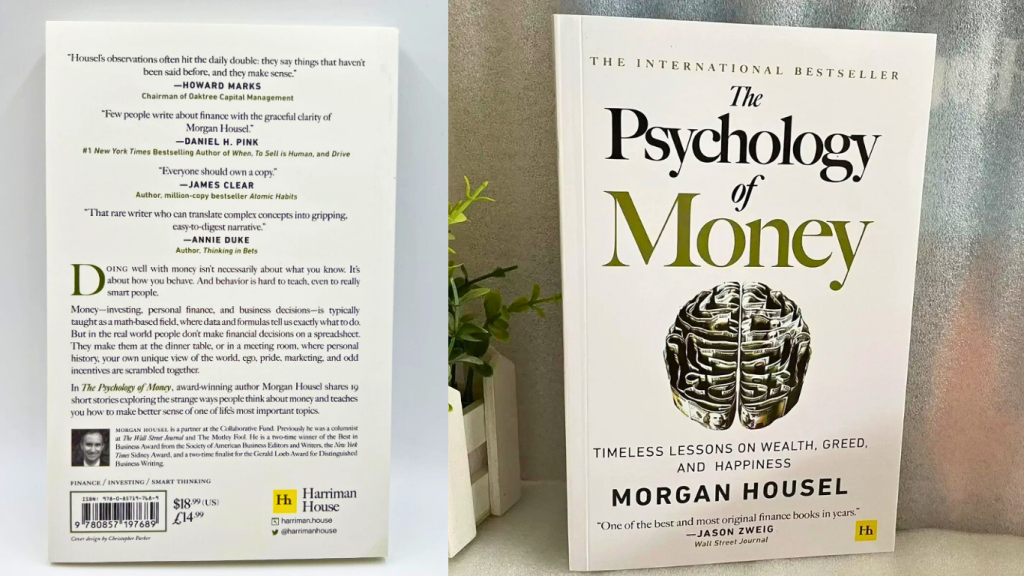
Money and happiness are often linked in people’s minds, but Housel argues that the connection isn’t as straightforward as most think. Money can buy comfort, safety, and opportunities, but beyond a certain point, it doesn’t necessarily make us happier.
For example, studies show that once basic needs and a moderate level of comfort are met, additional wealth doesn’t significantly boost happiness. Why? Because happiness comes more from freedom and control over your time than from luxury cars or bigger houses.
The true joy of money lies in its ability to reduce stress and give you choices. Being able to say no to things you dislike, or having the freedom to spend time with loved ones, often brings more satisfaction than material possessions.
The danger is when people equate money with status. Chasing wealth just to impress others can lead to endless dissatisfaction, because there will always be someone richer. Instead, the goal should be using money as a tool for independence, peace of mind, and meaningful experiences.