
Introduction to Story Teaching Aids in Early Childhood Education
Storytelling has always been one of the oldest and most powerful teaching methods. In kindergarten, stories are not just entertainment; they are gateways to learning, imagination, and emotional growth. Young children learn best when they are engaged, and teaching aids like dolls, animal plush toys, finger puppets, and hand puppets make storytelling a truly immersive experience.
Imagine telling the classic tale of The Three Little Pigs. Reading it aloud is good, but what if you use three pig plush toys and a wolf hand puppet? Suddenly, the story feels real, and children become excited, attentive, and curious. This is the magic of story teaching aids in early education—they turn passive listening into active participation.
Teaching aids help children connect abstract ideas with physical objects. For example, when a teacher uses finger puppets to act out a story, children not only listen but also visualize characters, actions, and emotions. This strengthens memory, enhances comprehension, and builds confidence.
In early childhood education, these playful tools serve multiple purposes: they entertain, educate, and emotionally support young learners. Whether it’s dolls that teach empathy, plush toys that bring animal stories to life, or puppets that encourage role play, story teaching aids are indispensable in kindergartens today.
Buy Here
Role of Dolls in Early Learning
Dolls are far more than simple toys—they are mirrors of human emotions and behaviors. When children play with dolls, they often mimic real-life situations such as caring for a baby, cooking, or even role-playing as a teacher. These actions may seem like play, but they are critical exercises that build emotional intelligence and social skills.
Emotional Connection Through Dolls
Children naturally form bonds with dolls because they represent humans. A child may cuddle a doll when feeling sad or talk to it when lonely. In the classroom, dolls can be used as “characters” in a story, helping children relate more deeply to narratives. For instance, a story about a doll who shares toys with friends teaches kindness, sharing, and cooperation without feeling like a lecture.
Teachers often use dolls to introduce new concepts gently. For example, when teaching about hygiene, a teacher can show how a doll “washes hands” before eating. This practical demonstration, paired with storytelling, makes the lesson easier to understand and remember.
Dolls as Tools for Social Skills Development
Kindergarten is a child’s first step into structured social interaction. Dolls help children navigate this world by practicing conversations, conflict resolution, and teamwork. In group play, children may assign roles—one child plays the “mother,” another the “baby,” and others take supporting roles. This role-playing nurtures cooperation, empathy, and responsibility.
Moreover, dolls help children embrace diversity. Multi-ethnic dolls, dolls with disabilities, and dolls in traditional attire expose children to inclusivity at an early age. These play sessions are not only fun but also valuable lessons in understanding and accepting differences.
In essence, dolls bridge the gap between storytelling and real-life situations, making them essential teaching aids in kindergarten education.
Click Here
Animal Plush Toys in Children’s Education
Every child has at least one favorite stuffed animal. Plush toys are comforting, cuddly, and familiar. But beyond being bedtime companions, they serve as excellent teaching tools in kindergarten classrooms.
Teaching Empathy and Care with Plush Animals
Caring for a plush animal—feeding it pretend food, tucking it into bed, or giving it a “check-up”—teaches empathy and responsibility. Through role play, children learn to be gentle, compassionate, and nurturing. For instance, when a teacher uses a plush puppy in a story about kindness, children instantly connect with the emotions of caring and sharing.
Plush animals can also help shy children open up. A teacher may ask a child to “talk to the teddy bear” about their day, making it easier for the child to express feelings they might otherwise withhold.
Using Plush Toys to Teach Stories and Concepts
Plush animals make abstract concepts concrete. For example:
- A lion plush can represent courage in a story.
- A rabbit plush can teach about speed and caution.
- A bird plush can be used in lessons about migration and seasons.
Plush toys also make storytelling interactive. Instead of merely listening, children can hold a plush toy, act out scenes, or join in role plays. This level of participation ensures that learning is memorable and enjoyable.
Teachers also use plush animals for thematic lessons. During a story about the jungle, children might gather with different animal plush toys, turning the classroom into a mini jungle where learning feels like an adventure.
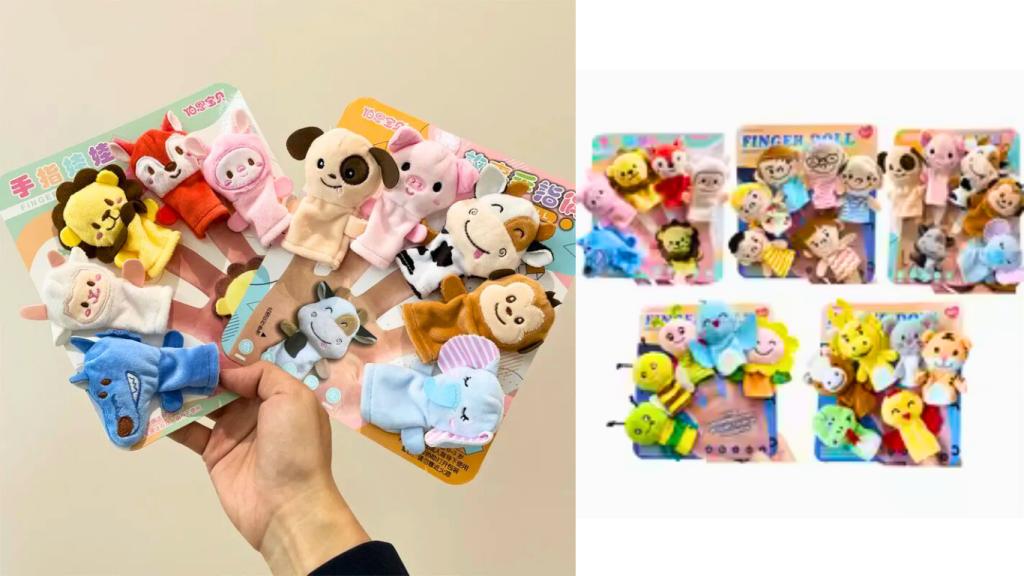
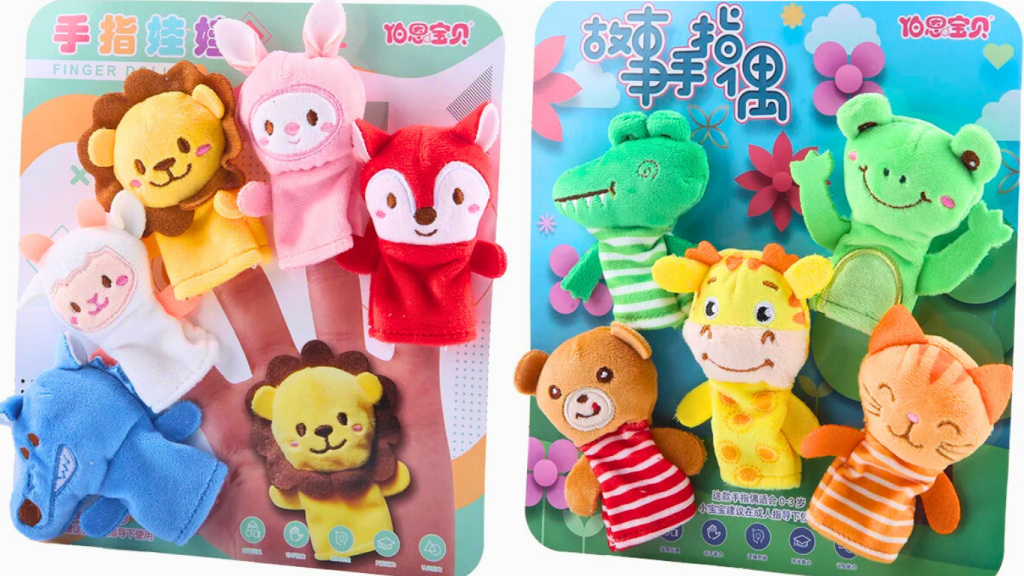
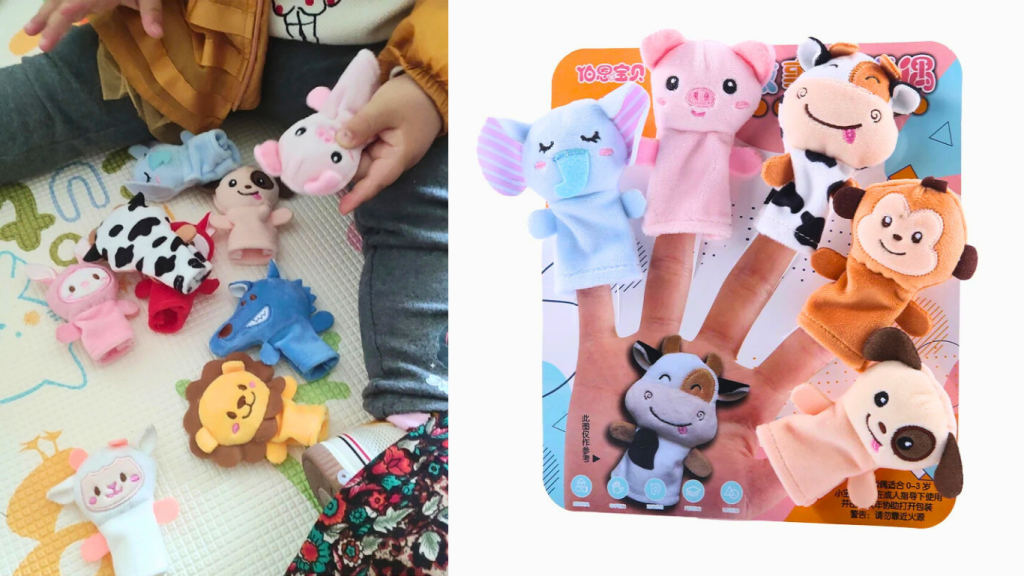
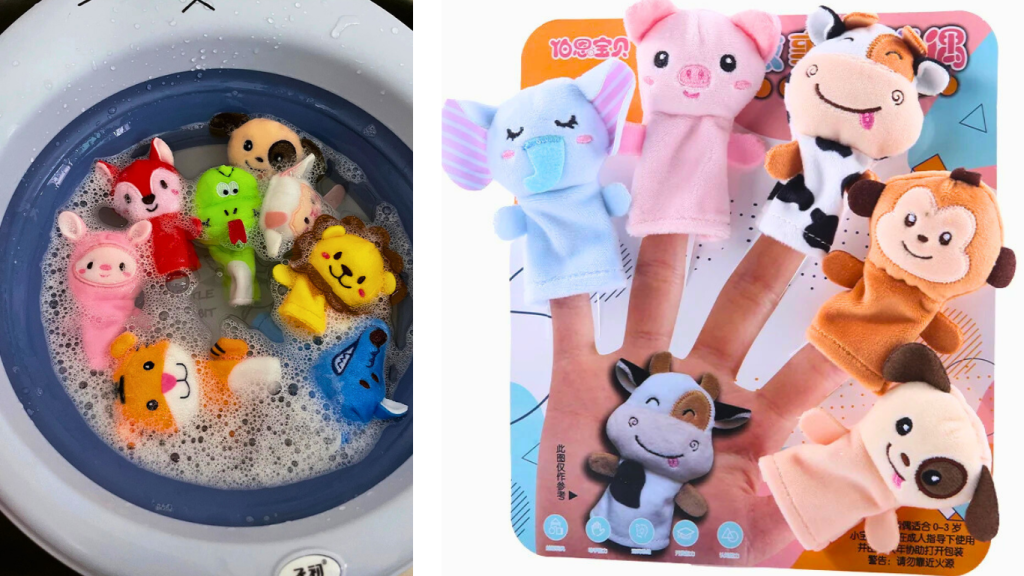
Baby Finger Puppets as Interactive Learning Tools
Finger puppets are small, affordable, and incredibly versatile. Despite their size, they make a huge impact in the classroom. Unlike large puppets or dolls, finger puppets sit snugly on fingers, allowing teachers to act out entire stories with just one hand.
Fine Motor Skill Development with Finger Puppets
When children use finger puppets, they exercise their tiny muscles. Putting a puppet on, wiggling it around, and moving it to act requires precision and control, which strengthens fine motor skills. These are crucial for later tasks like writing, buttoning clothes, and using scissors.
Moreover, finger puppets encourage hand-eye coordination. As children move their fingers to match story actions, they practice coordination in a playful, non-stressful way.
Storytelling and Creativity Boost through Puppetry
Finger puppets make stories more dynamic. Instead of just listening, children watch characters move, talk, and interact. For instance, in the story of Little Red Riding Hood, finger puppets for the girl, wolf, and grandmother can be used to act out scenes. Children not only watch but may also take turns playing roles, boosting creativity and participation.
Finger puppets also encourage shy children to speak up. Talking through a puppet feels less intimidating than speaking directly. It’s as if the puppet “speaks for them,” helping kids find their voice in a safe and fun way.
Teachers often use finger puppets for language lessons, phonics, and storytelling. The interactive nature of these tiny toys makes them a must-have in kindergarten teaching.
Hand Puppets in Classroom Engagement
Hand puppets are larger and more expressive than finger puppets, making them ideal for group storytelling and interactive lessons. They can cover the entire hand, allowing for exaggerated facial expressions and body movements, which capture children’s attention instantly.
Role of Hand Puppets in Teaching Communication
Children often find it easier to communicate with puppets than with adults. A puppet becomes a “friend” who listens, talks, and asks questions. Teachers use hand puppets to start conversations, explain concepts, or even manage classroom behavior. For example, a puppet can “remind” children about good manners or praise them for participation.
Puppets also introduce new vocabulary naturally. Instead of memorizing words from a book, children hear and use them in conversations with the puppet, making learning organic and fun.
Building Confidence in Children Through Role Play
Role play with hand puppets gives children a chance to express themselves without fear of judgment. A child might act out being a teacher, a doctor, or a storyteller through a puppet. This not only builds confidence but also nurtures imagination.
Hand puppets are also perfect for group storytelling sessions. Children can work together to put on a mini puppet show, practicing teamwork, communication, and creativity simultaneously.
By combining fun with education, hand puppets transform classrooms into lively spaces where children are eager to learn.