
Introduction to Catfish and Saltwater Fishing
Fishing is one of those timeless hobbies that combines relaxation, skill, and patience. Among the many styles of fishing, catfish and saltwater fishing stand out because they attract anglers of all skill levels—from beginners just learning to bait a hook to seasoned veterans chasing trophy fish. Catfish, known for their size, strength, and unique taste, have long been a favorite among freshwater anglers. On the other hand, saltwater fishing offers a whole different challenge, with stronger fish, harsher environments, and the need for specialized gear.
Why does the type of hook matter so much? Imagine trying to cut wood with a butter knife—it just won’t work. Fishing is the same. Using the wrong hook can mean lost fish, wasted bait, and frustration. That’s why understanding the right hooks, rigs, and tools is critical. A well-set rig increases your chances of landing more fish while making the entire experience smoother and more enjoyable.
Catfish fishing often involves bottom rigs designed to keep bait steady and close to where these bottom-feeding giants lurk. Saltwater fishing, on the other hand, demands corrosion-resistant hooks strong enough to withstand powerful runs and salty conditions. Add in tackle tools like honeycomb storage solutions, and you have a complete fishing setup designed for efficiency and success.
In this article, we’ll dive deep into the world of fishing hooks, catfish rigs, saltwater tackle, and the tools every angler should own. Whether you’re brand new or have been fishing for decades, you’ll discover practical insights and tips to make your next fishing trip more rewarding.
Buy Here
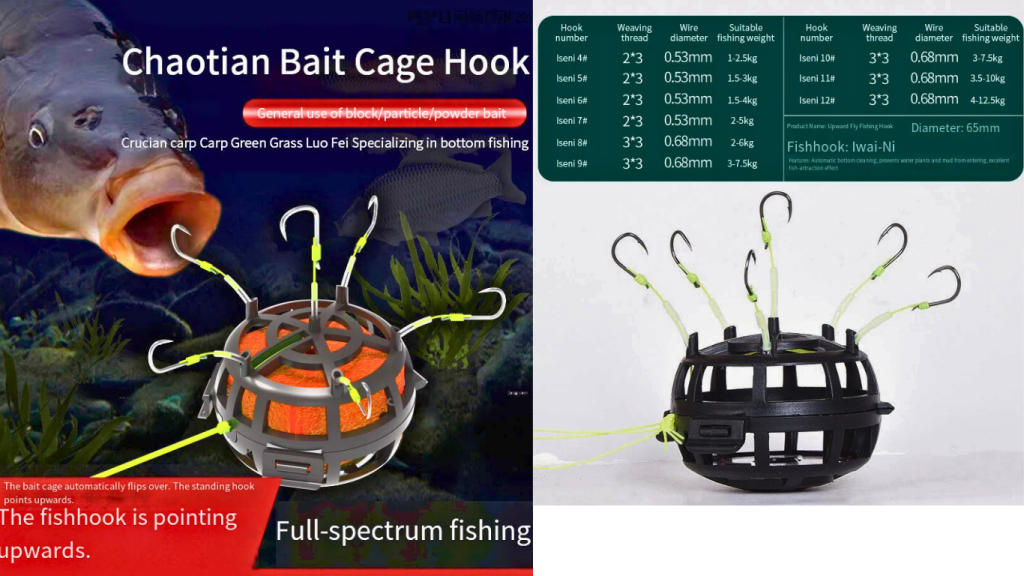
Understanding Fishing Hooks for Catfish
If you’ve ever gone fishing without paying much attention to the hook you’re using, you might not realize just how big of a difference the right hook makes. Catfish, unlike some other fish, are strong fighters with tough mouths. They don’t just nibble at bait—they bite and hold with force. That means you need hooks built to withstand both the initial strike and the struggle that follows.
Different Types of Hooks for Catfish
There are several types of hooks anglers rely on for catching catfish, each with its own pros and cons.
Circle Hooks
These are by far the most popular hooks for catfish. Unlike traditional hooks, circle hooks are designed so that the fish practically hooks itself. When the catfish takes the bait and swims off, the hook slides into the corner of its mouth. This makes catch-and-release easier and reduces the risk of deep hooking. Circle hooks also reduce missed strikes since you don’t have to set the hook as aggressively.
J-Hooks
J-hooks are the classic fishing hook shape, and while they still have their place, they require more precision when setting the hook. If you’re an angler who enjoys the “hook set” moment, J-hooks might be for you. They work well with live bait and can be very effective when used correctly.
Treble Hooks
Treble hooks, with their three prongs, are often used with stink baits or dough baits for catfish. They hold soft baits better than single hooks and increase the chances of a fish getting hooked when biting. However, they can be harder to remove and may not be ideal for catch-and-release fishing.
Hook Sizes and Their Uses
Hook size matters more than most beginners realize. Too small, and a big catfish will straighten it out or swallow it too deeply. Too large, and you may miss smaller fish entirely.
- Small Catfish (1–5 lbs): Sizes 2 to 1/0
- Medium Catfish (5–15 lbs): Sizes 2/0 to 4/0
- Large Catfish (20+ lbs): Sizes 5/0 to 10/0
The key is to match your hook size not just to the fish but also to your bait. A chunk of cut bait may need a larger hook, while a worm or smaller baitfish can be presented on a medium-sized circle hook.
The right hook, paired with the correct rig, can make the difference between going home empty-handed and landing a trophy catfish.
Click Here
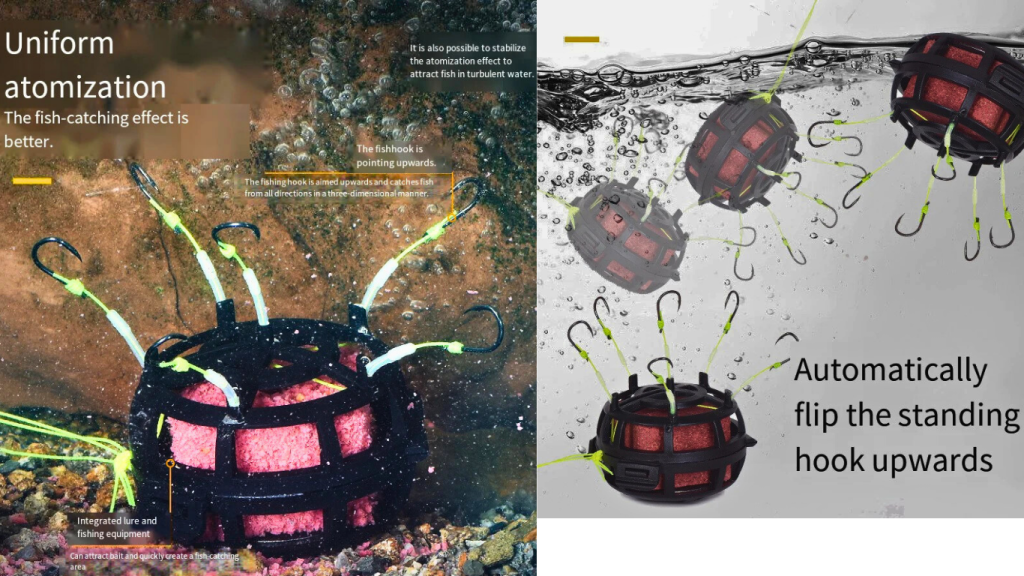
Saltwater Fishing Hooks Explained
Saltwater fishing is another world entirely. The fish are bigger, the fight is stronger, and the environment is harsher on gear. While freshwater hooks might survive a day or two in saltwater, they quickly rust and weaken, making them unreliable. This is why saltwater hooks are engineered differently.
Key Features of Saltwater Fishing Hooks
Saltwater hooks are typically stronger, thicker, and coated to resist corrosion. Many are made from stainless steel, high-carbon steel, or plated with nickel, tin, or other rust-resistant coatings. The strength of saltwater fish means your hook can’t just be sharp—it needs to hold up under serious pressure.
Difference Between Freshwater and Saltwater Hooks
Freshwater hooks are designed for lighter lines and smaller fish, while saltwater hooks must handle species like redfish, tarpon, snapper, and even sharks. Freshwater hooks bend more easily and corrode quickly in saltwater, which is why using them in the ocean can lead to disappointment.
Choosing the Right Material for Saltwater Hooks
- Stainless Steel: Excellent corrosion resistance, but may be more visible in clear water.
- High-Carbon Steel: Stronger but needs protective coating.
- Nickel-Plated Hooks: A good balance between strength and rust resistance.
Investing in proper saltwater hooks ensures not only better success rates but also gear that lasts longer, saving money in the long run.
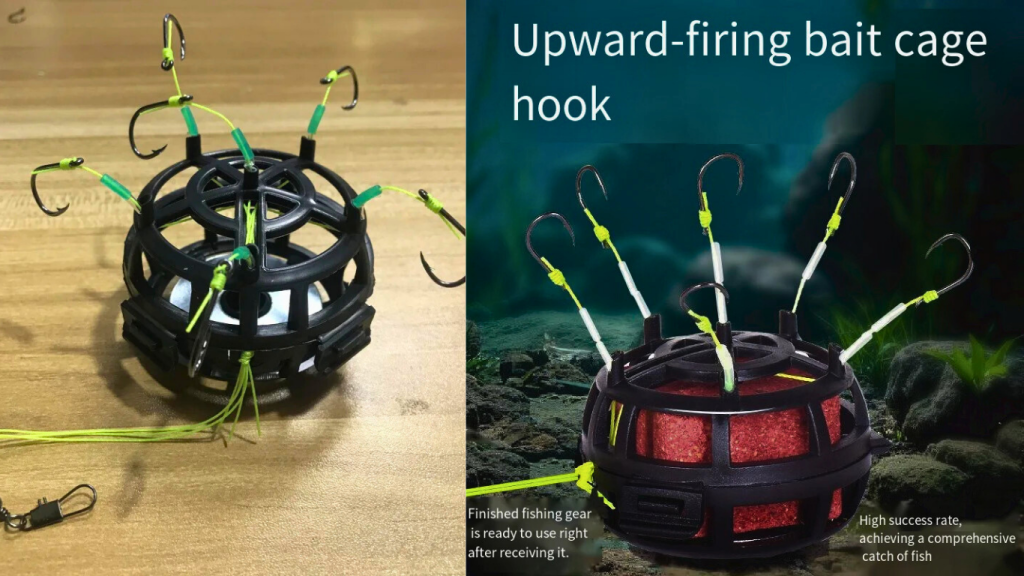
Catfish Rigs: The Foundation of Successful Fishing
Hooks alone aren’t enough. The way you present your bait matters just as much as the hook itself. That’s where rigs come in. Catfish rigs are setups designed to keep bait where catfish feed—usually on or near the bottom. Each rig has its own advantages, and learning which one to use can dramatically increase your catch rate.
Slip Sinker Rig
This is the go-to rig for catfish. A sliding sinker allows the fish to take the bait without feeling much resistance, increasing your chances of a solid hook-up. It’s versatile and works in most conditions.
Three-Way Rig
Perfect for fishing in rivers with current. The three-way rig uses a swivel that allows one line to hold the bait while another carries the weight. This keeps the bait off the bottom but still near feeding zones.
Float Rig
When catfish are feeding higher in the water column, a float rig keeps your bait suspended. It’s also useful in weedy or rocky areas where bottom rigs might snag.
Santee Cooper Rig
A variation of the slip sinker rig, this includes a small float on the leader that keeps bait just above the bottom, making it more visible and attractive to catfish.
Each of these rigs has its place, and the experienced angler knows when to use which. Beginners often start with the slip sinker rig because it’s simple, effective, and works nearly everywhere.
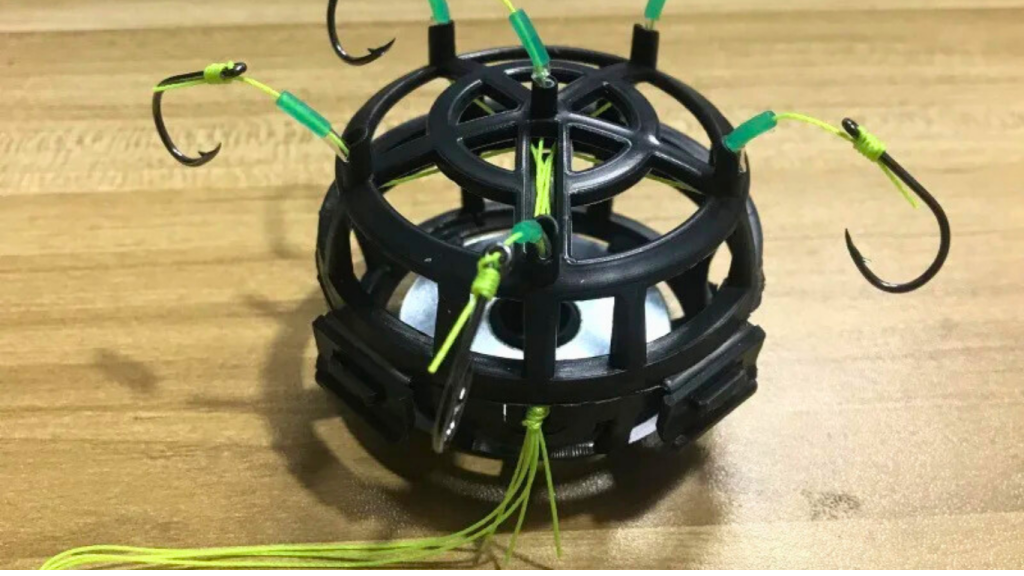
Fishing Tools and Parts for Every Angler
Fishing is about more than just a rod and hook. The tools you carry with you make setting up, maintaining gear, and landing fish much easier. Without the right parts and tools, even the best hooks and rigs won’t perform their best.
Essential Tools for Hook and Rig Setup
Every angler should have pliers for removing hooks, scissors or line cutters for trimming fishing line, and a hook sharpener to keep hooks ready. A bait knife is also handy for preparing cut bait.
Line, Weights, and Swivels Explained
- Fishing Line: Strong enough to handle big fish but sensitive enough to feel bites.
- Weights (Sinkers): Keep bait near the bottom where catfish feed.
- Swivels: Prevent line twists and allow rigs to move naturally.
Tackle Box Organization Tips
Keeping gear organized saves time and frustration. Divide your tackle box into sections for hooks, weights, swivels, and lures. Label compartments so you can grab what you need quickly.
An organized tackle box means less fumbling and more time with your line in the water, which ultimately means more fish.