
Introduction to Japanese Style Cushions
Japanese interior design has long been admired for its simplicity, harmony, and strong connection to nature. One standout element in traditional Japanese decor is the tatami cushion, a floor cushion that serves both functional and aesthetic purposes. In recent years, this cultural gem has found a new wave of popularity globally, especially among those who favor minimalistic and eco-conscious lifestyles. Enter the Hot 40cm40cm Handmade Woven Natural Straw Round Pouf Tatami Cushion*—a modern take on a traditional item, ideal for adding a subtle yet impactful touch of Zen to your home.
These round pouf cushions are not just seating accessories—they’re statements of intentional living. Designed with natural straw and traditional weaving techniques, they invite you to slow down, sit close to the earth, and reconnect with the basics. Whether you’re creating a cozy reading nook, a minimalist tea corner, or a peaceful meditation space, these cushions make a perfect companion.
What makes this particular cushion so “hot” in the home textile market? Beyond its practical uses, it checks all the boxes: eco-friendly materials, artisanal craftsmanship, stylish appeal, and versatile use. The 40cm x 40cm size is ideal—not too big, not too small—making it a universal fit for various rooms and design schemes.
Let’s dive into why this handcrafted piece deserves a spot in your home.
Buy Now
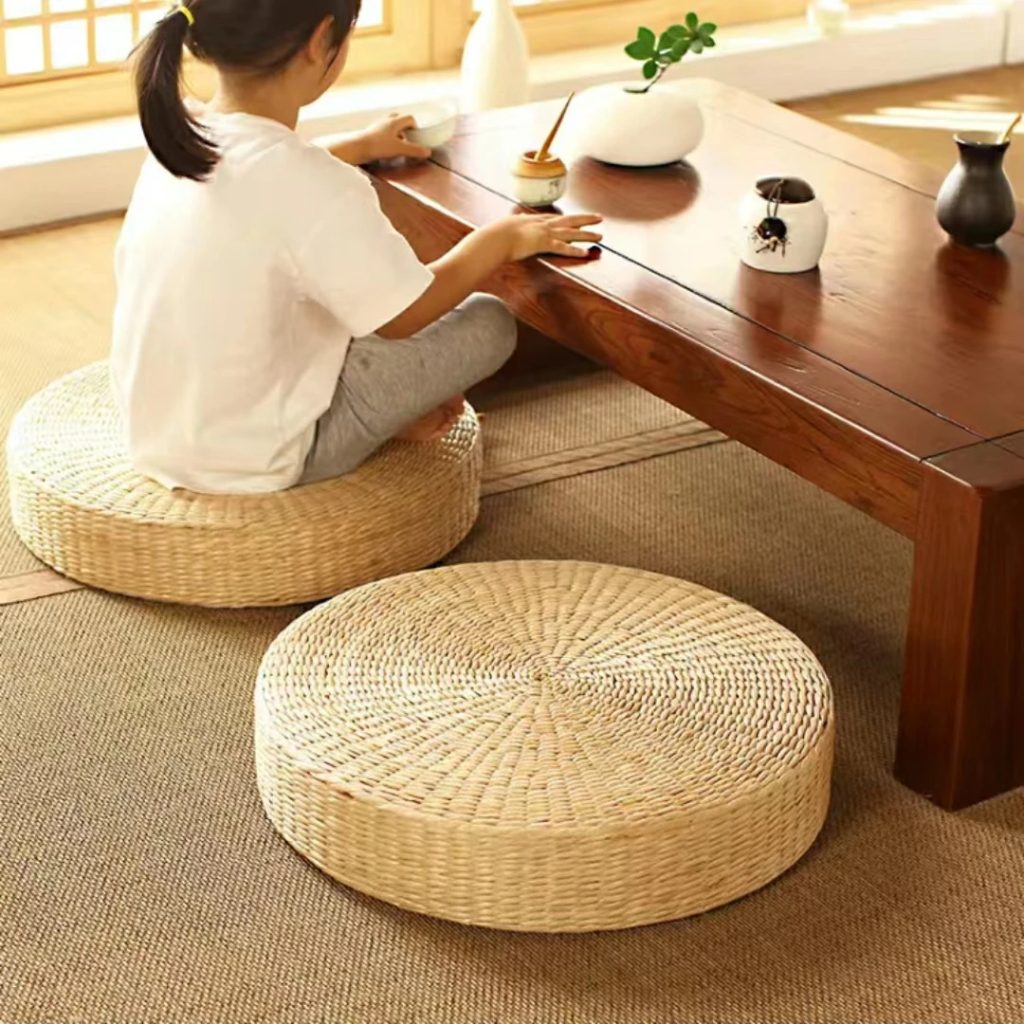
What is a Tatami Cushion?
Origin and Cultural Significance
Tatami cushions, often known as “zabuton” or “tatami zabuton” in Japanese culture, have been integral to traditional Japanese households for centuries. They originated from the ancient tatami mats that covered the floors of Japanese homes, tea houses, and temples. While tatami mats formed the foundation, zabuton cushions added comfort, allowing people to sit on the floor for long periods—whether during meditation, tea ceremonies, or family gatherings.
These cushions symbolize more than just seating—they are deeply rooted in the Japanese way of life. The practice of sitting on the floor is tied to humility, simplicity, and mindfulness. Unlike western furniture-centric interiors, Japanese homes emphasize being close to the earth, promoting a grounded lifestyle. Tatami cushions are therefore a reflection of Zen philosophy, focusing on presence, awareness, and tranquility.
Over time, the zabuton has evolved. The contemporary version includes variations like the round pouf style, integrating traditional methods with modern aesthetic preferences. Today, they are popular not just in Japan but globally, especially among interior design enthusiasts who appreciate their natural vibe and heritage charm.
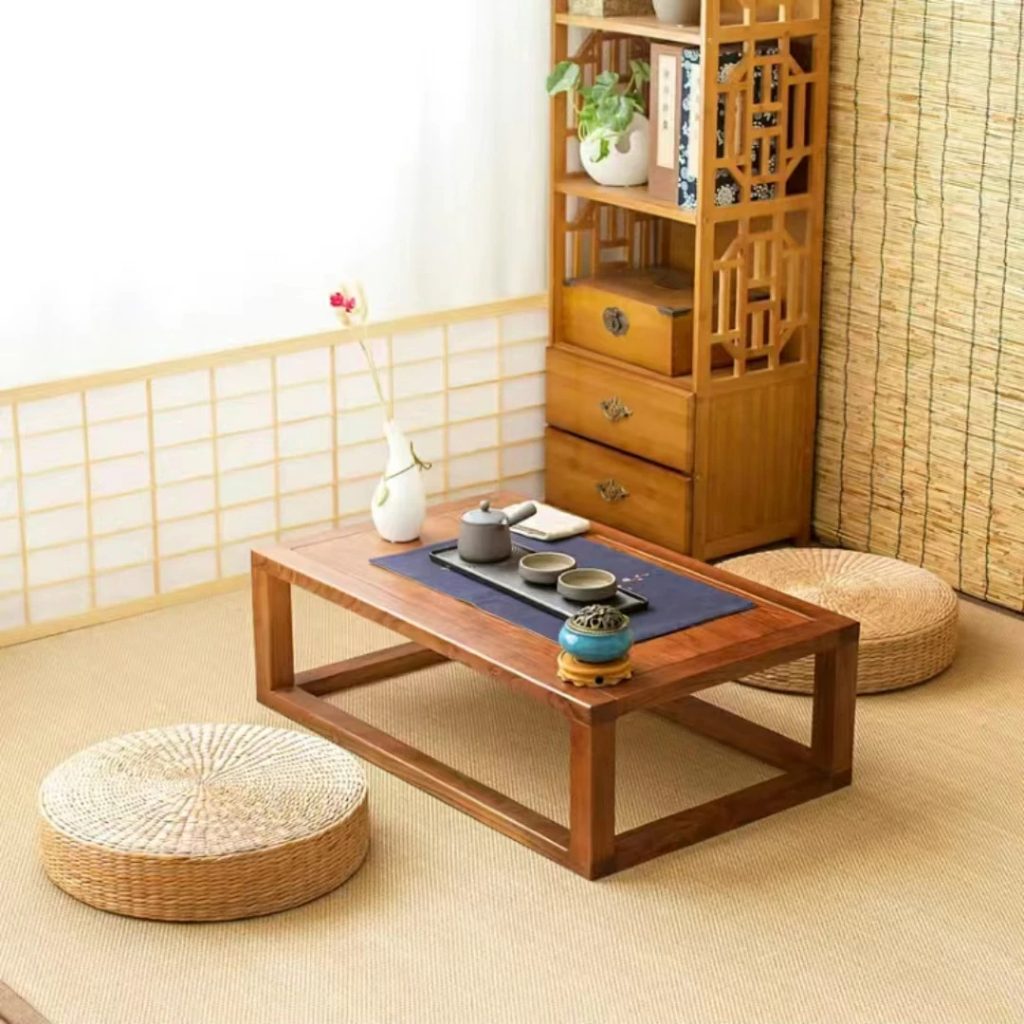
Common Materials Used
Traditional tatami cushions are made from a combination of rush grass (igusa) and rice straw. These natural fibers are breathable, moisture-wicking, and remarkably durable. The outer layer typically features tightly woven straw, while the inner filling varies from cotton to buckwheat husks, depending on the intended use and comfort level.
In modern adaptations—like the Hot 40cm40cm Handmade Woven Natural Straw Cushion*—natural straw remains a staple. This choice is not just aesthetic; it’s environmentally sound and aligns with increasing global interest in sustainable living.
Modern designs may also feature reinforced stitching, handwoven finishes, and even dual-use functionality (e.g., as a pouf or footrest). These updated versions maintain the spirit of the original while appealing to today’s eco-conscious and style-savvy consumers.
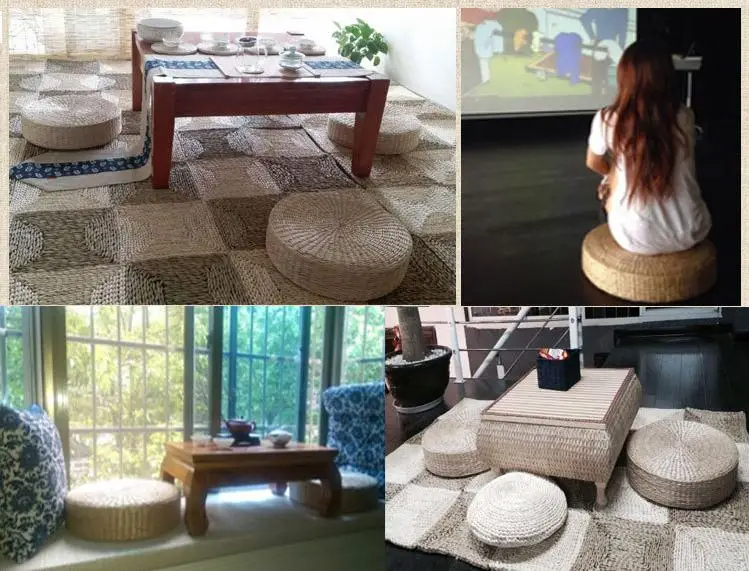
Features of the 40cm*40cm Handmade Woven Natural Straw Cushion
Dimensions and Design Overview
Measuring 40cm by 40cm, this cushion hits the sweet spot for both comfort and practicality. It’s large enough to support a seated adult, yet compact enough to stack or store with ease. Its round shape adds a soft, inviting feel, contrasting nicely with the rigid lines of modern furniture.
The symmetrical design ensures even weight distribution, making it suitable for prolonged sitting—whether you’re meditating, working on a laptop, or simply enjoying tea. The woven straw exterior exudes a natural texture that complements any decor theme, from rustic farmhouse to Scandinavian minimalist.
Aesthetically, it blends tradition with trend. The handmade touch is visible in every stitch and weave, showcasing the artisan’s skill. This isn’t just a factory-made product—it’s a piece of heritage you can actually sit on.
Material Quality: Natural Straw and Craftsmanship
What sets this cushion apart is the use of high-quality, hand-harvested straw. Each piece is woven meticulously, often taking hours to complete just one unit. This level of attention ensures not only beauty but durability. Straw, as a natural material, is breathable and cool to the touch—making it ideal for year-round use, especially in warm climates.
Furthermore, natural straw is hypoallergenic and resistant to dust mites, which is a big win for allergy sufferers. The artisans who craft these cushions often come from regions in Asia where straw weaving is a generational craft, adding cultural depth and authenticity to the final product.
The cushion’s firmness is another highlight. Unlike overly soft foam alternatives, this straw pouf provides just enough resistance to support posture without feeling rigid. This balance makes it excellent for meditative seating or floor dining.
Click Here
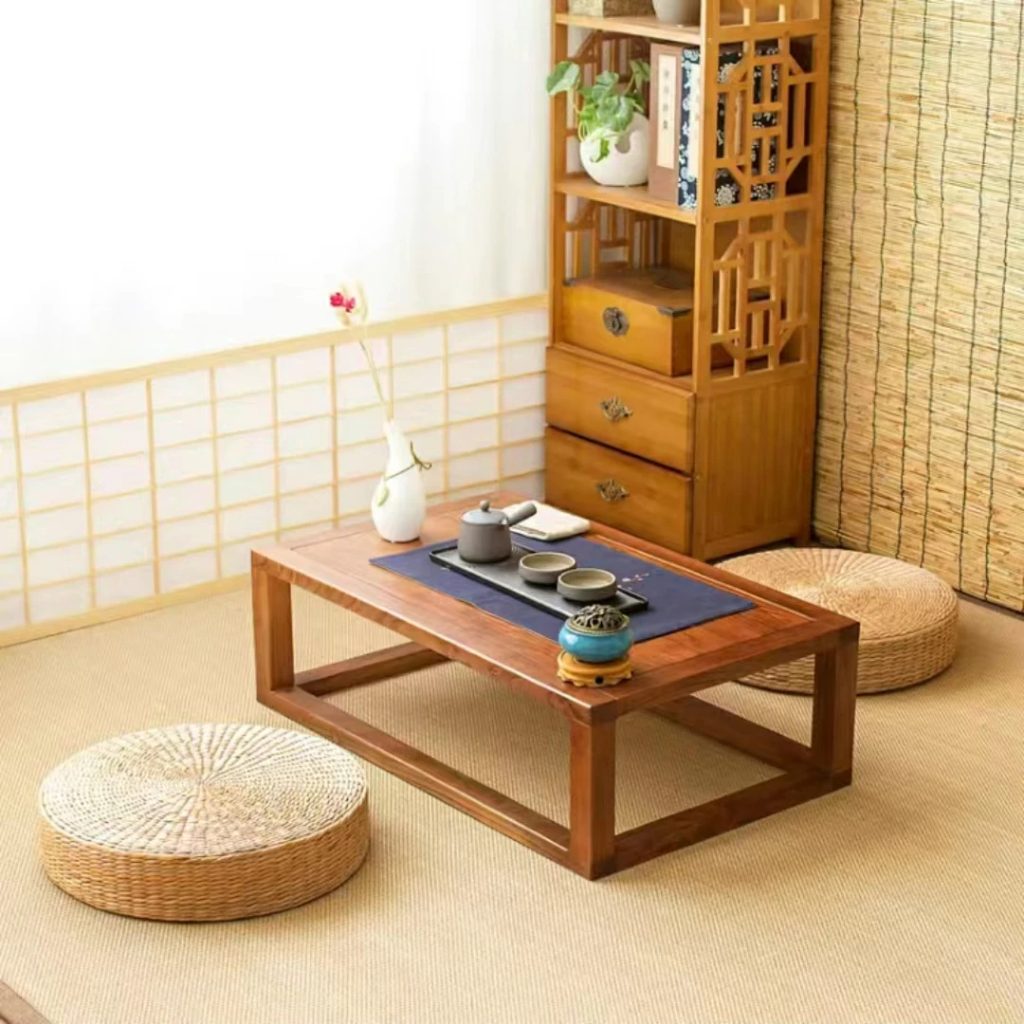
Round Pouf Design and Aesthetic Appeal
Let’s face it—square is predictable. The round shape of this cushion offers a fresh twist that feels organic and modern. It softens the edges of any room, literally and visually, promoting flow and relaxation. In Feng Shui terms, round shapes encourage harmony and connection—perfect for spaces intended for gathering or reflection.
Plus, the pouf-style construction adds a slight elevation, making it more than just a flat floor pad. This height is subtle but beneficial, especially for those with joint or back issues. It lifts you just enough to ease the strain without negating the floor-sitting experience.