
Introduction to Modern Cutting Boards
Why Cutting Boards Are Essential in Every Kitchen
When you think of a kitchen essential, one of the first things that comes to mind is the cutting board. Whether you’re preparing a simple salad, slicing fresh fruit for breakfast, or chopping meat for a family dinner, a cutting board is the foundation of all food preparation. It’s not just a surface to cut on—it’s a tool that protects your countertops, keeps your knives sharp, and ensures hygiene while cooking. Imagine trying to chop onions directly on a marble counter or slicing a juicy watermelon without a board. The mess, the scratches, and the wasted effort would be overwhelming. That’s why a high-quality cutting board isn’t just helpful—it’s absolutely necessary.
For years, people have relied on wood and plastic cutting boards. Wooden boards are loved for their rustic look, while plastic ones are popular for being lightweight and affordable. But as kitchens evolve and food safety becomes more important, stainless steel and titanium boards are now taking the spotlight. They’re sleek, durable, and most importantly, far more hygienic than traditional options.
The Evolution of Cutting Board Materials
Cutting boards have a long history, evolving alongside cooking itself. Traditionally, wood was the go-to option because it was easy to craft and strong enough to handle chopping. Over time, plastic entered the market, offering affordability and dishwasher-friendly cleaning. However, both wood and plastic came with drawbacks: wood tends to crack, warp, and absorb odors, while plastic can harbor bacteria in knife grooves.
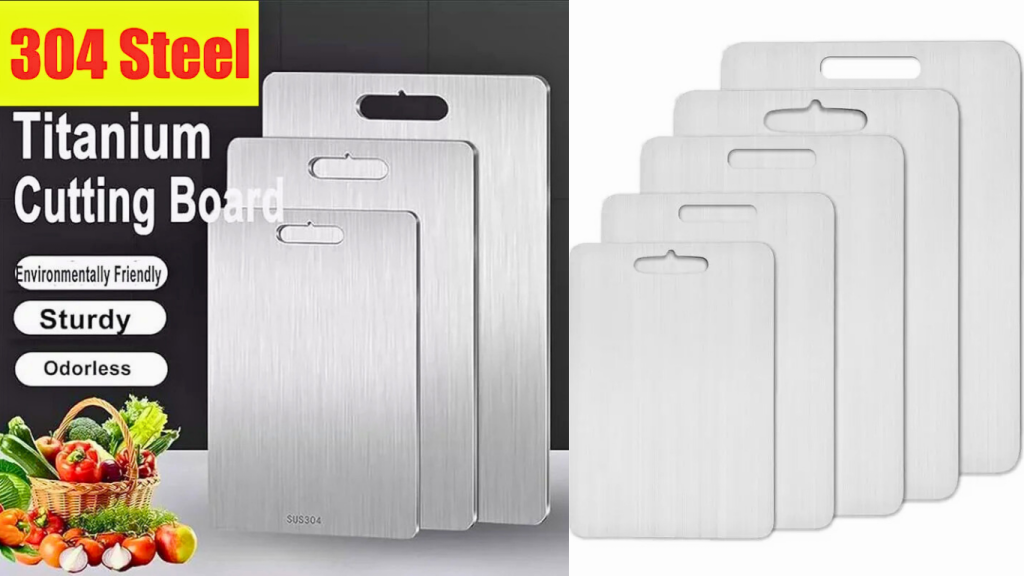
The modern kitchen demands something better. That’s where stainless steel and titanium boards step in. They represent the next generation of cutting boards—ones that can handle heavy use, prevent bacterial growth, and last for years without deteriorating. A 304 stainless steel board, in particular, has become a favorite for chefs and home cooks alike because of its food-grade safety, non-porous surface, and stylish design. Add a double-sided feature, and you have a board that’s not only practical but also versatile.
Buy Here
What Makes Titanium and Stainless Steel Cutting Boards Unique
Difference Between Stainless Steel and Titanium Boards
At first glance, titanium and stainless steel cutting boards may seem identical—they’re both sleek, shiny, and solid. But they have subtle differences. Titanium is known for being lightweight yet incredibly strong, often used in aerospace engineering and medical implants. When applied to cutting boards, titanium offers excellent resistance to corrosion and doesn’t react with acidic foods like lemons or tomatoes.
Stainless steel, particularly 304-grade, is widely used in kitchenware because it balances strength, affordability, and food safety. It’s slightly heavier than titanium but offers the same level of durability and resistance to bacteria. Both are non-porous, which means they won’t absorb juices, stains, or odors, making them perfect for handling raw meat and strong-smelling foods like garlic and onions.
Why 304 Stainless Steel is Food-Grade and Safe
Not all stainless steel is created equal. The 304 stainless steel variety stands out because it is food-grade certified, meaning it won’t leach harmful substances into your food. It contains 18% chromium and 8% nickel, which gives it excellent corrosion resistance and makes it safe for constant contact with moisture and food acids. This is the same type of steel used in medical instruments and restaurant kitchens—so when you bring it into your home, you’re essentially upgrading to professional-grade equipment.
Unlike cheaper steels that may rust or discolor over time, 304 stainless steel maintains its shine and smoothness even after years of heavy chopping and washing. It’s the kind of cutting board that can outlast multiple wooden or plastic ones combined.
Benefits of Thickened, Double-Sided Design
One of the standout features of these modern cutting boards is their thickened, double-sided design. Unlike thin boards that can bend or warp under pressure, thick boards provide stability during chopping. They stay firmly in place, making food preparation safer and more comfortable.
The double-sided functionality is a game-changer. You can use one side for raw meat and the other for vegetables, reducing the risk of cross-contamination. Some boards even come with different surface textures—one smooth for slicing delicate fruits, and the other slightly rougher for handling tougher foods like bones or frozen meat. It’s like having two boards in one, saving space and money.
Click Here
Key Features of Titanium Cutting Boards
Durability and Longevity
When investing in a cutting board, durability is a major factor. Wooden boards may look beautiful but they tend to develop cracks, while plastic boards become scarred with knife marks. Titanium and stainless steel boards, on the other hand, are practically indestructible. They don’t warp, bend, or splinter no matter how often you use them.
Think of it this way: buying a titanium cutting board is like buying a cast iron pan—it’s a one-time purchase that will last for decades. In fact, many professional chefs prefer these boards because they can withstand heavy cleaver use without showing much wear. If you’re tired of replacing boards every year, a thickened 304 stainless steel or titanium version is the ultimate solution.
Anti-Bacterial and Hygienic Surface
Food safety is one of the most important aspects of cooking, and cutting boards play a huge role in it. Wooden and plastic boards tend to trap food particles in small cuts and grooves, which can become breeding grounds for bacteria like E. coli and salmonella. With titanium and stainless steel, this problem simply doesn’t exist. Their smooth, non-porous surfaces don’t absorb liquids or odors, making them highly resistant to bacterial growth.
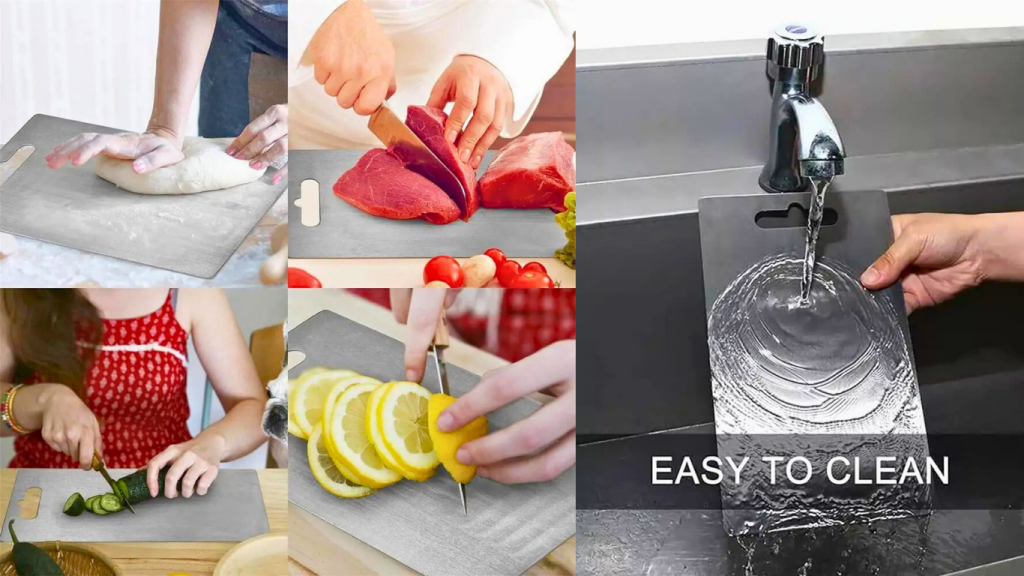
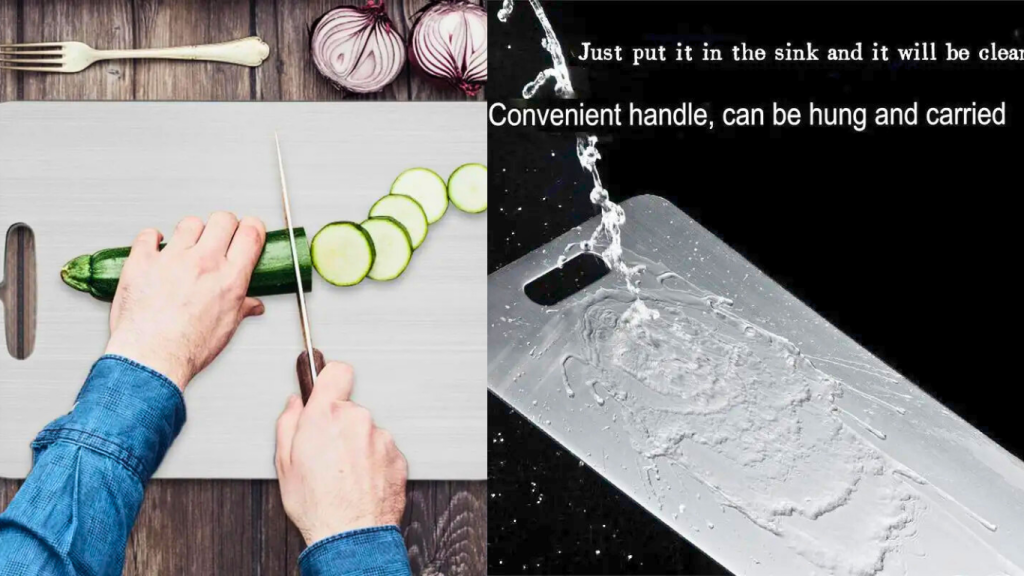
Cleaning is effortless too. A quick rinse with hot water and soap, or even running it through the dishwasher, ensures the board stays spotless. This not only makes cooking safer but also gives peace of mind when handling raw meats and fish.
Heat Resistance and Scratch Resistance
Unlike plastic boards that can melt when exposed to hot pots or pans, titanium and stainless steel boards are heat-resistant. You can place hot cookware on them without worrying about damage. This adds an extra layer of convenience, turning your cutting board into a temporary trivet.
Scratch resistance is another key benefit. While knives may leave light marks on the surface over time, these boards don’t develop deep grooves that trap food. Plus, many models feature brushed or matte finishes that help disguise small scratches, keeping the board looking sleek even after years of use.
Advantages Over Traditional Wooden and Plastic Boards
No Risk of Mold or Odor Absorption
One of the biggest issues with wood is its tendency to absorb moisture. Over time, this leads to mold growth, bad odors, and even warping. Plastic boards may not mold as easily, but they absorb strong smells like garlic, onions, and fish. Titanium and stainless steel boards eliminate these problems completely. They’re resistant to moisture, so there’s no risk of mold, and they won’t hold on to any food odors.
Imagine chopping garlic on one side of the board and then slicing apples right after—without worrying about the flavors mixing. That’s the kind of freshness stainless steel and titanium boards guarantee.
Easy Cleaning and Maintenance
When it comes to cleaning, these boards are incredibly low-maintenance. Unlike wooden boards that require regular oiling or plastic ones that degrade in the dishwasher, stainless steel and titanium boards are virtually carefree. A simple wash with hot soapy water or a cycle in the dishwasher is enough to keep them clean and shiny.
Even if you’ve been handling raw meat, you don’t have to scrub excessively. The non-porous surface ensures no juices seep in, meaning bacteria can’t linger. This makes them one of the most hygienic choices available today.
Eco-Friendly and Long-Term Investment
Plastic boards often end up in landfills, and wooden boards require frequent replacements. By contrast, a titanium or stainless steel board is a long-term, eco-friendly investment. You buy it once and use it for decades, reducing waste and saving money in the long run.
Additionally, since these boards don’t deteriorate easily, you won’t have to worry about them shedding microplastics into your food—a hidden problem with older plastic boards. If sustainability is important to you, then stainless steel and titanium are by far the greener options.
Best Uses for Stainless Steel Cutting Boards in the Kitchen
Ideal for Cutting Meat and Fish
If you often cook meat, poultry, or fish, a stainless steel or titanium board is your best friend. Their non-porous surfaces prevent raw juices from soaking in, reducing the risk of bacterial contamination. You can chop chicken, fillet fish, or prepare beef without worrying about lingering smells or stains.
They’re also perfect for heavy-duty chopping. Whether you’re working with frozen meat or using a cleaver to break down bones, the strength of a thickened 304 stainless steel board can handle the impact. No cracks, no dents—just a clean, sturdy surface every time.
Perfect for Fruits, Vegetables, and Cheese
Beyond meat, these boards are equally excellent for fruits and vegetables. Slicing tomatoes, dicing onions, or peeling mangoes becomes cleaner and easier since the juices don’t seep into the surface. Even sticky foods like cheese or dough come off effortlessly without leaving residue.
Because these boards resist odors, you can cut a sharp-smelling onion and then switch to delicate fruits like strawberries without any flavor crossover. This makes them a great all-rounder for everyday kitchen tasks.
Multi-Purpose Usage Beyond Food Prep
One of the best things about titanium and stainless steel boards is their versatility. They aren’t just limited to food preparation. Thanks to their heat resistance, they double as trivets for hot pans. Their smooth surfaces can also be used as serving trays for cheese, charcuterie, or even sushi. Some people even use them as a portable kitchen tool for camping trips since they’re durable, lightweight (in the case of titanium), and easy to clean outdoors.
In short, a good stainless steel cutting board isn’t just a kitchen accessory—it’s a multi-purpose tool that can handle everything from heavy-duty chopping to elegant serving.