
Introduction to Montessori Baby Toys
When it comes to children’s growth, toys are much more than colorful playthings; they are learning tools, imagination boosters, and skill developers. Among all types of toys available in the market today, Montessori baby toys stand out as one of the most trusted and effective categories chosen by parents worldwide. These toys aren’t just about keeping children busy; they are carefully designed to encourage independence, problem-solving, and hands-on exploration. Inspired by the Montessori method of education, these toys allow children to learn naturally through play rather than structured instruction.
Unlike flashy electronic gadgets that often distract rather than teach, Montessori toys are simple, purposeful, and interactive. They focus on practical skills, fine motor development, and creativity, giving children the freedom to explore and discover at their own pace. A toddler using a Montessori toy isn’t just playing—they’re practicing coordination, decision-making, and patience without even realizing it.
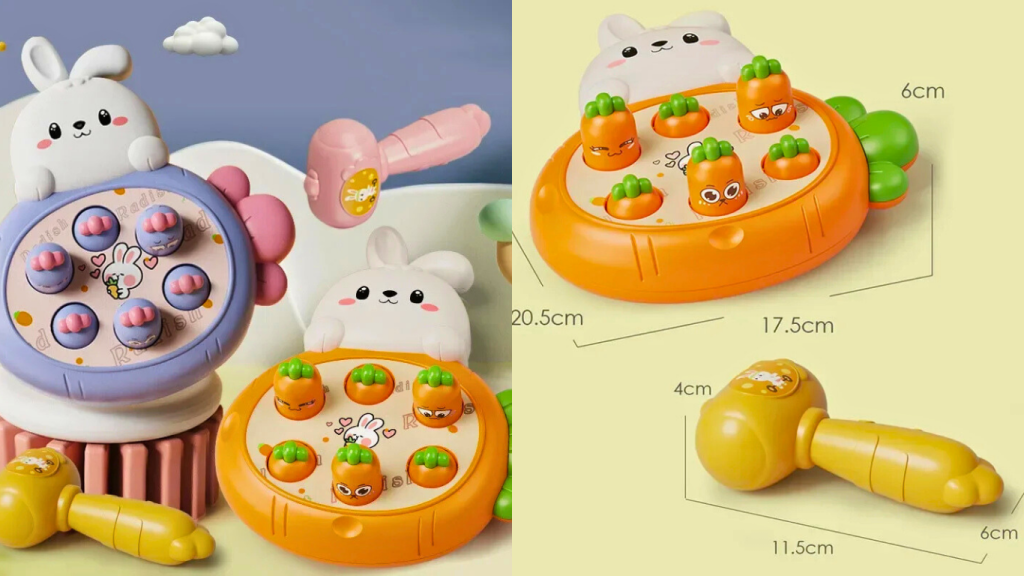
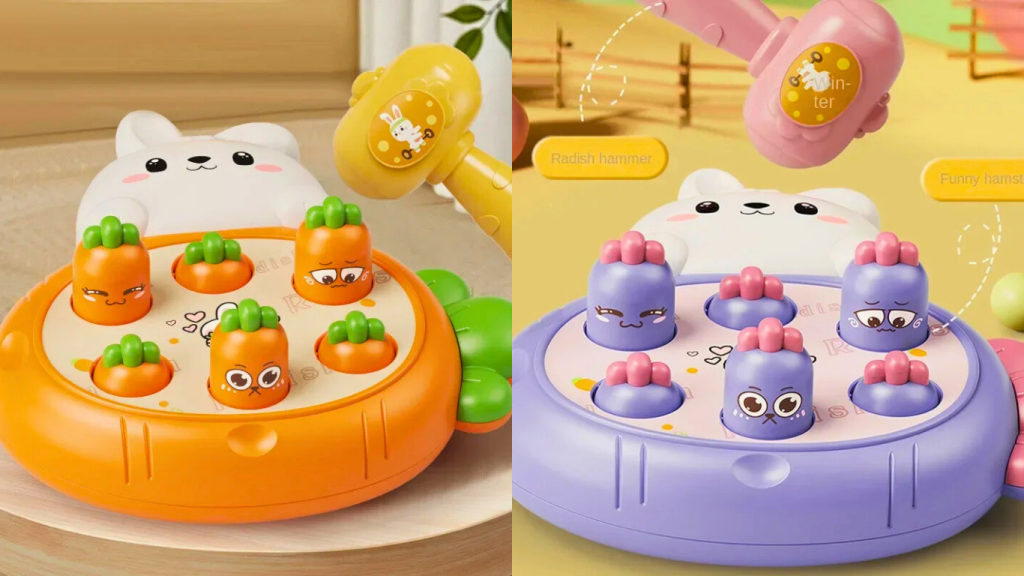
One standout product within this category is the Cartoon Animal Theme Knocking Game, which combines fun, education, and bonding. It’s not just a toy—it’s an experience that both parents and children can share. From hammering colorful pegs to recognizing animal characters, this toy transforms everyday playtime into a skill-building adventure.
In today’s fast-paced world, where screens often dominate children’s attention, Montessori toys offer a refreshing alternative. They encourage real-world interaction, physical movement, and mental engagement, all while being safe and age-appropriate. Parents love them because they are durable, eco-friendly, and designed with a child’s natural learning abilities in mind.
In this article, we’ll explore what makes Montessori toys special, dive deep into the Animal Theme Knocking Game, and discover why it’s one of the best birthday gift ideas for toddlers.
Montessori Baby Toys
What Are Montessori Baby Toys?
Montessori baby toys are not just another marketing gimmick. They are rooted in the educational philosophy developed by Dr. Maria Montessori, who believed children learn best when they are free to explore their environment independently. Toys designed under this principle serve as learning tools rather than simple distractions.
These toys usually have a few defining characteristics:
- Simplicity – They avoid unnecessary flashing lights or loud sounds. Instead, they allow children to focus on one activity at a time.
- Purposefulness – Each toy has a clear goal, such as stacking, sorting, or hammering. The idea is that the child practices one specific skill until mastery.
- Hands-On Engagement – Montessori toys encourage kids to touch, move, and manipulate objects, making learning a physical and mental experience.
- Natural Materials – Many Montessori toys are made of wood, fabric, or eco-friendly materials instead of plastic, ensuring safety and sustainability.
For babies and toddlers, these toys often involve shape sorting, hammering boards, stacking blocks, or animal puzzles. The emphasis is on activities that promote hand-eye coordination, muscle control, and problem-solving skills.
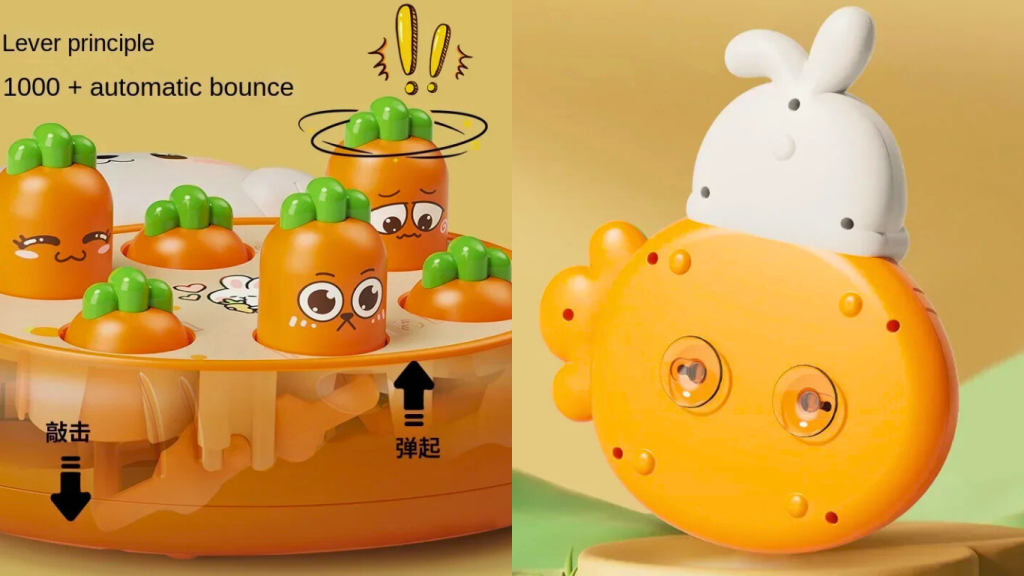
The Animal Theme Knocking Game fits perfectly into this category. With its hammering action, children develop motor control while learning to identify different animals and colors. The repetitive knocking motion builds rhythm, focus, and persistence—key skills for early childhood development.
Montessori toys are not just for entertainment. They are investments in a child’s curiosity and independence, preparing them for future learning. That’s why so many parents today prefer gifting Montessori-inspired toys over regular, mass-market playthings.
Buy Here
Why Montessori Toys Are Different from Regular Toys
At first glance, a Montessori toy might seem too simple compared to high-tech toys on store shelves. However, that simplicity is precisely what makes it powerful. Regular toys, especially electronic ones, often overstimulate children with flashing lights, loud sounds, and too many features. While these may entertain for a while, they don’t necessarily encourage deep engagement or meaningful learning.
In contrast, Montessori toys are intentionally minimalistic to encourage active participation instead of passive consumption. A toddler playing with a hammering board is not just hitting pegs—they’re experimenting with cause and effect, testing their strength, and learning coordination. Unlike electronic toys, where the toy “performs” for the child, Montessori toys allow the child to be the performer.
Another key difference is durability. Regular toys often break easily because they are mass-produced using low-quality plastics. Montessori toys, however, are usually made of high-quality wood or eco-friendly materials designed to withstand years of use. This makes them excellent hand-me-downs for siblings or even keepsakes.
Montessori toys also stand apart because they are developmentally appropriate. Many commercial toys try to do “too much” at once, confusing children or pushing them toward skills they’re not ready for. Montessori toys are designed with a child’s natural growth stages in mind. For example, hammering toys like the Animal Theme Knocking Game are great for toddlers just learning hand strength and coordination.
In short, Montessori toys aren’t about instant gratification—they’re about nurturing patience, focus, and joy in learning. That’s why parents looking for meaningful, educational, and safe toys turn to Montessori-inspired playthings.
Click Here
The Growing Popularity of Montessori Toys Among Parents
In recent years, Montessori toys have gained incredible popularity, and for good reason. Parents are becoming more conscious of what their children play with, especially in an era dominated by screens and electronic distractions. The Montessori method aligns perfectly with modern parenting goals: raising independent, creative, and confident children.
One reason for this surge in popularity is the rising demand for educational toys. Parents no longer want toys that only keep kids busy; they want ones that stimulate curiosity and growth. Montessori toys like stacking rings, sorting puzzles, and hammering games provide the right balance of fun and learning.
Another factor is social media awareness. Parenting influencers, early education experts, and child development specialists often recommend Montessori toys as must-have essentials. Videos of toddlers happily hammering away at colorful boards or solving wooden puzzles are widely shared online, convincing more parents to try them.
Safety and sustainability also play a big role. Many Montessori toys are crafted from non-toxic, eco-friendly materials, which appeal to parents concerned about plastic waste and harmful chemicals. The fact that these toys are built to last makes them both environmentally friendly and cost-effective.
Finally, Montessori toys are incredibly versatile. A toy like the Animal Theme Knocking Game is not just for play—it’s also a bonding activity for parents and kids, a tool for teaching colors and animals, and even a way to introduce patience and focus. This multifunctionality makes them an attractive investment for families.
As more parents witness firsthand the positive impact of Montessori toys on their children’s development, the demand continues to grow. In fact, many consider them the perfect birthday or holiday gift choice—both practical and fun.
How Montessori Toys Support Child Development
Montessori toys aren’t just playthings—they are stepping stones to essential life skills. Each toy is carefully designed to target different aspects of a child’s development, ensuring a balanced learning experience. The Animal Theme Knocking Game is a perfect example, as it combines motor activity with cognitive and emotional growth. Let’s break it down:
Motor Skills Development
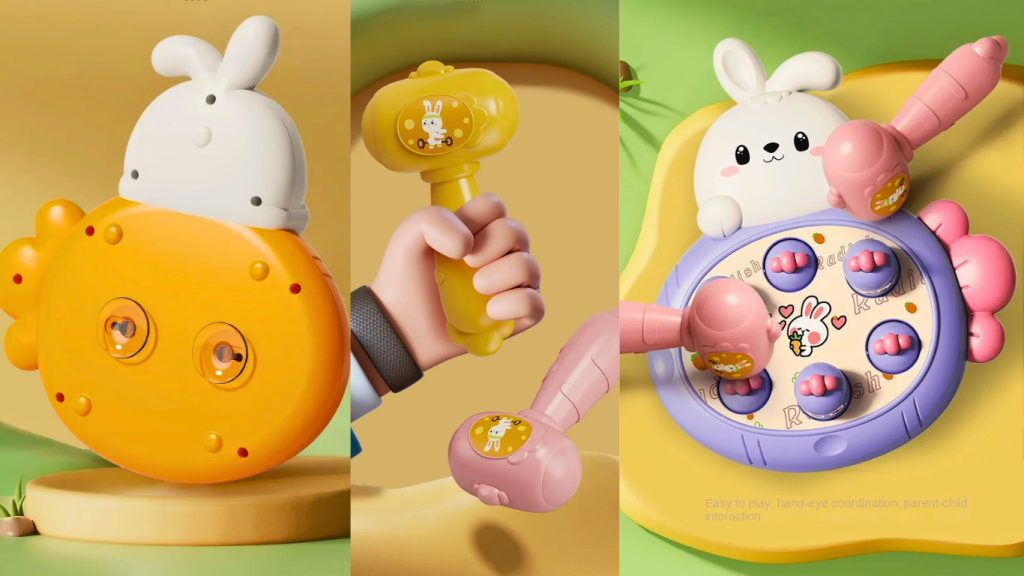
Hammering toys like the Animal Theme Knocking Game are excellent for strengthening fine and gross motor skills. Every time a child grips the hammer, aligns it with the peg, and strikes it, they practice hand-eye coordination and muscle control. These skills later translate into everyday tasks such as writing, eating with utensils, or buttoning clothes.
Cognitive Growth and Problem-Solving
Montessori toys also stimulate the brain. Knocking pegs through holes teaches cause and effect—the child learns that their actions have visible outcomes. Recognizing different animals, matching colors, and understanding spatial relationships add another layer of problem-solving and critical thinking.
Emotional and Social Benefits
Toys like this also encourage patience and persistence. A child may not succeed in hitting the peg the first time, but repeated attempts build resilience. When played together with parents or siblings, it becomes a social bonding activity, teaching children to share, take turns, and cooperate.
This holistic approach is why Montessori toys are considered some of the best tools for supporting a child’s early growth and overall development.