
Introduction to Slow Feeder Bowls
What Is a Slow Feeder Bowl?
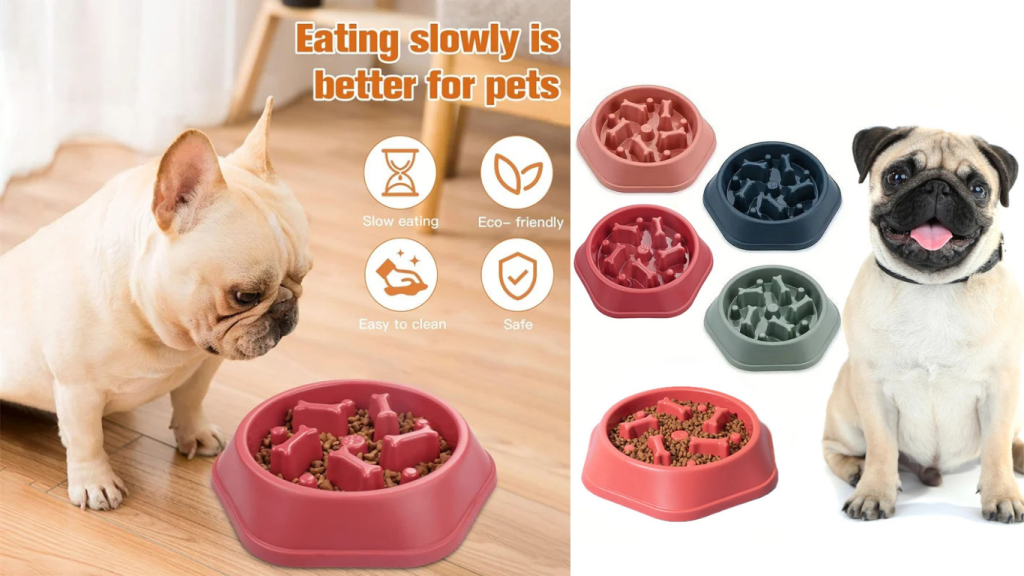
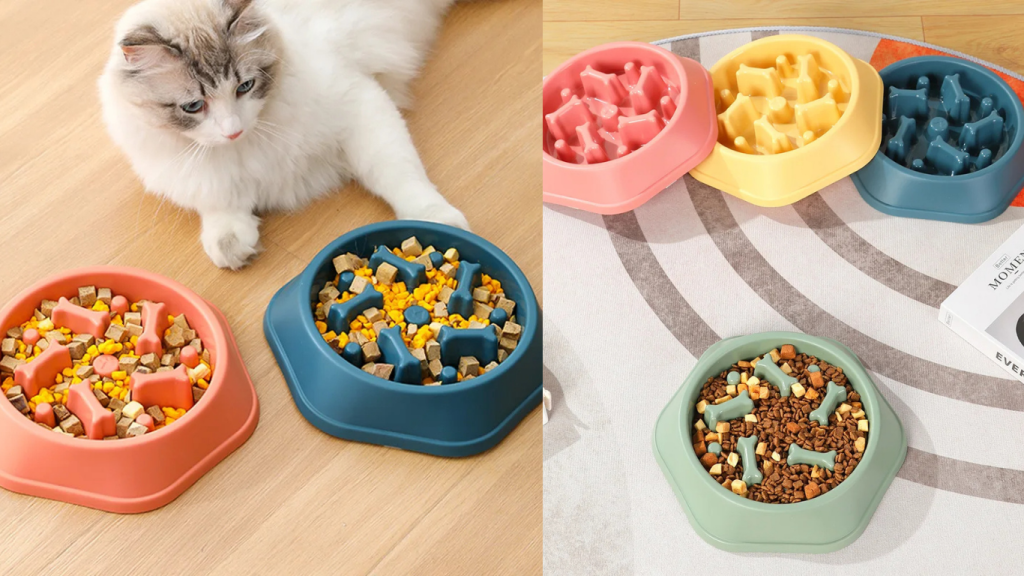
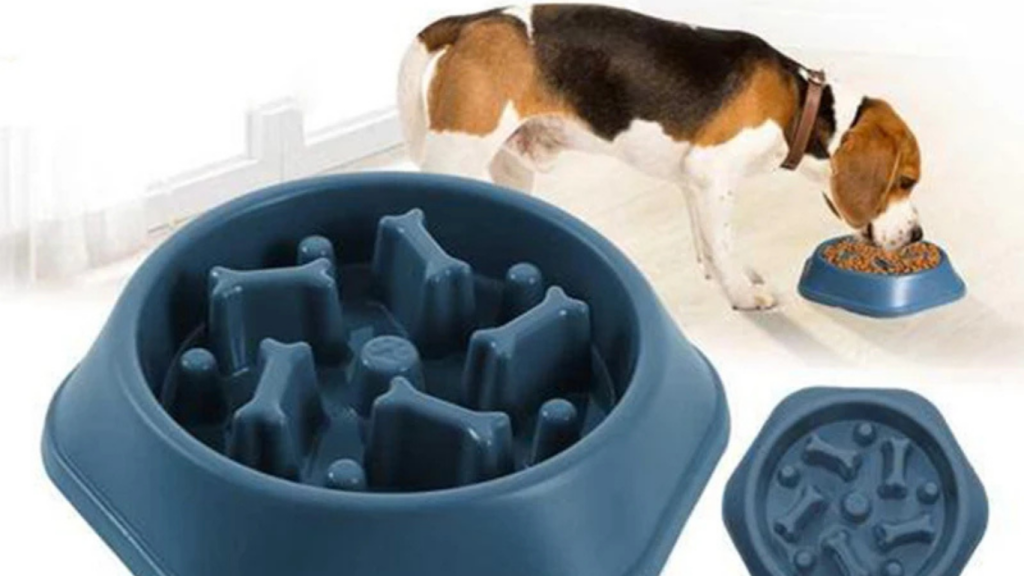
Imagine this: your dog gobbles up its meal faster than you can blink, only to vomit it back up or sit uncomfortably bloated minutes later. If that’s familiar, a slow feeder bowl might just be the game-changer your pup needs. These bowls are specially designed with maze-like patterns, ridges, or raised sections that make it physically harder for dogs to gulp down food quickly. Instead of scarfing their meal in seconds, dogs are forced to slow down, maneuver around the obstacles, and take their time chewing.
But it’s not just a feeding gimmick. Slow feeder bowls serve an essential purpose: to improve your dog’s digestion and overall well-being. Think of it as turning fast food into a slow-cooked meal—more enjoyable and better for the tummy. These bowls come in a variety of materials and sizes to suit different dog breeds and dietary needs.
What makes them even more awesome is their versatility. You can use them for dry kibble, wet food, or even raw meals. Plus, they add a little puzzle-solving to your dog’s day, keeping their mind engaged while eating. That’s a win-win in our books!
Buy Here
Why Do Dogs Eat Too Fast?
So, why do some dogs act like every meal is their last? It often comes down to a few instinctual and behavioral reasons.
- Survival Instincts: In the wild, eating fast was a necessity. Dogs had to compete with packmates, so scarfing down food meant survival.
- Food Insecurity: Dogs rescued from shelters or strays might have gone through periods of hunger, making them more likely to inhale food when they have it.
- Boredom or Excitement: Eating can be exciting! If your pup is full of energy or bored during the day, mealtime might be their only thrill.
- Feeding Schedules and Competition: Feeding all your pets in one area can trigger a competition mindset—even if your dog is the only one around.
Regardless of the reason, eating too fast is more than a quirky habit—it’s a genuine health hazard. But with a slow feeder bowl, you can hit pause on those frenzied meal marathons.
The Health Risks of Fast Eating in Dogs
Bloating and Gastric Dilatation-Volvulus (GDV)
One of the most dangerous consequences of fast eating is bloat, or more severely, gastric dilatation-volvulus (GDV). This condition is not just uncomfortable—it can be fatal. GDV occurs when the stomach fills rapidly with gas and twists on itself, cutting off blood flow and trapping air and food inside. It’s a medical emergency requiring immediate veterinary intervention.
Large, deep-chested breeds like Great Danes, German Shepherds, and Standard Poodles are particularly susceptible. But even small breeds aren’t off the hook. Eating too quickly increases the risk by allowing excessive air to enter the stomach.
The good news? Slowing your dog’s eating with a slow feeder bowl significantly reduces the risk of this life-threatening condition. The slower pace allows air to escape naturally during chewing and reduces pressure buildup in the stomach. It’s not a guarantee against bloat, but it’s a preventative measure that can literally save lives.
Choking and Digestive Distress
When dogs inhale their food, they’re not chewing properly. That means large chunks can get lodged in the throat or pass down into the stomach undigested, leading to a host of problems.
- Choking: Sudden gagging, coughing, or pawing at the mouth can signal a choking emergency. This is terrifying to witness and extremely dangerous.
- Vomiting: Overeating quickly or not chewing properly can cause your dog to throw up immediately after meals.
- Gas and Bloating: Ingesting air while eating fast can lead to painful gas buildup, discomfort, and pacing behavior.
- Inefficient Digestion: Without enough chewing, the body struggles to break down food, which can cause loose stools or nutrient deficiencies over time.
Slowing down meals with a slow feeder allows your pup to properly chew and digest their food, giving their gut a chance to absorb nutrients effectively. It also helps you, the pet parent, feel more at ease knowing mealtime isn’t a potential emergency.
Click Here
How Slow Feeder Bowls Promote a Healthy Diet
Portion Control and Mindful Eating
One of the hidden benefits of a slow feeder bowl is portion control. It might not seem obvious at first, but slower eating leads to greater awareness and satiety. Just like in humans, it takes time for the brain to register that the stomach is full. If a dog eats too quickly, they don’t get that signal until it’s too late—resulting in overeating.
Slow feeders extend mealtime from a 30-second dash to a 5–10 minute experience. This slower pace gives your dog time to feel full before they’ve eaten too much, which can be a huge help if your pup needs to lose weight or manage a condition like diabetes.
Plus, dogs are more satisfied after a slower meal. Think about how you feel after savoring a good meal versus scarfing down fast food—you feel fuller, longer. Dogs are no different.
Enhancing Digestion and Nutrient Absorption
Good digestion starts in the mouth. Chewing breaks food into smaller particles, making it easier for stomach enzymes to do their job. When dogs chew their food instead of swallowing it whole, their bodies absorb nutrients better—meaning they get more benefit out of every bite.
With better digestion comes:
- Healthier stools
- Less gas and bloating
- Improved energy and mood
- Stronger immune responses
By simply using a slow feeder bowl, you’re giving your dog a better shot at long-term health—without changing the food itself. That’s the beauty of this simple yet effective solution.