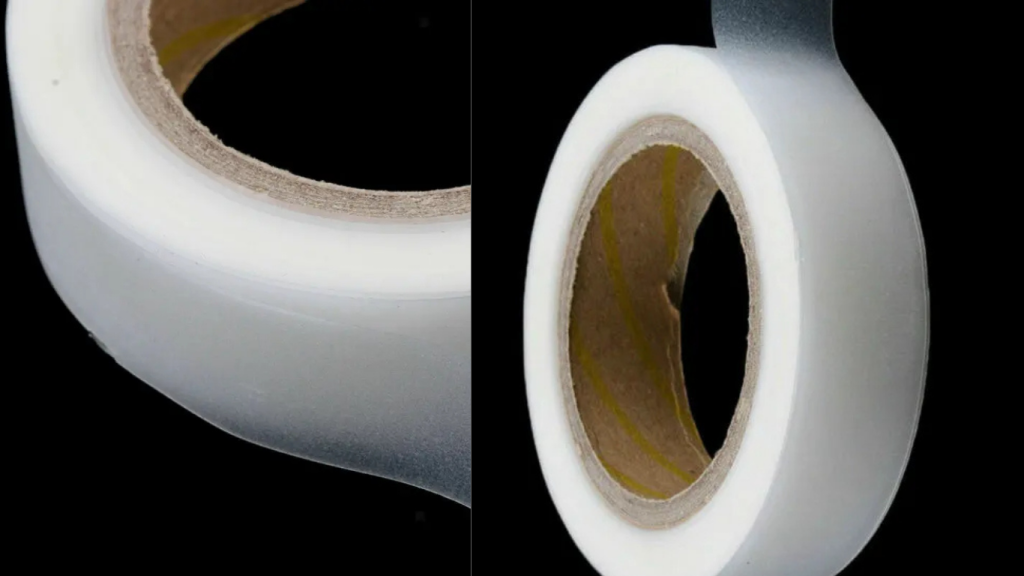
Staying dry during outdoor adventures is more than just a comfort issue — it’s about safety and performance too. Whether you’re hiking through a downpour, camping in dewy conditions, or just walking your dog in drizzly weather, reliable waterproof gear is essential. That’s where the 20m iron-on hot melt seam sealing tape comes into play. Designed to provide maximum waterproofing for PU-coated fabrics, this tape is a game-changer for DIYers, outdoor enthusiasts, and gear manufacturers alike.
With its hot melt adhesive and flexible PU coating, this tape offers a reliable seal over stitched seams in jackets, tents, tarps, and more. Let’s explore how this tool helps transform regular gear into waterproof warriors.
Introduction to Seam Sealing Tape
What is Seam Sealing Tape?
Seam sealing tape is a specialized adhesive strip used to cover stitched seams on fabric items to prevent water penetration. When you sew two pieces of fabric together, tiny needle holes are created. While small, these holes can allow water to seep in, especially under pressure from wind or rain. Seam sealing tape is applied over these seams — usually on the inside — to block water entirely.
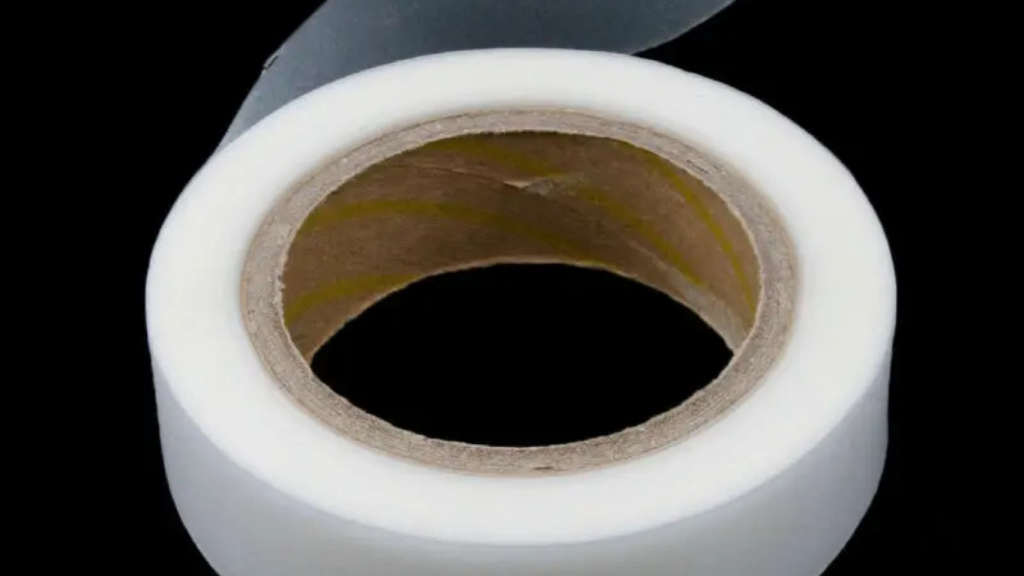
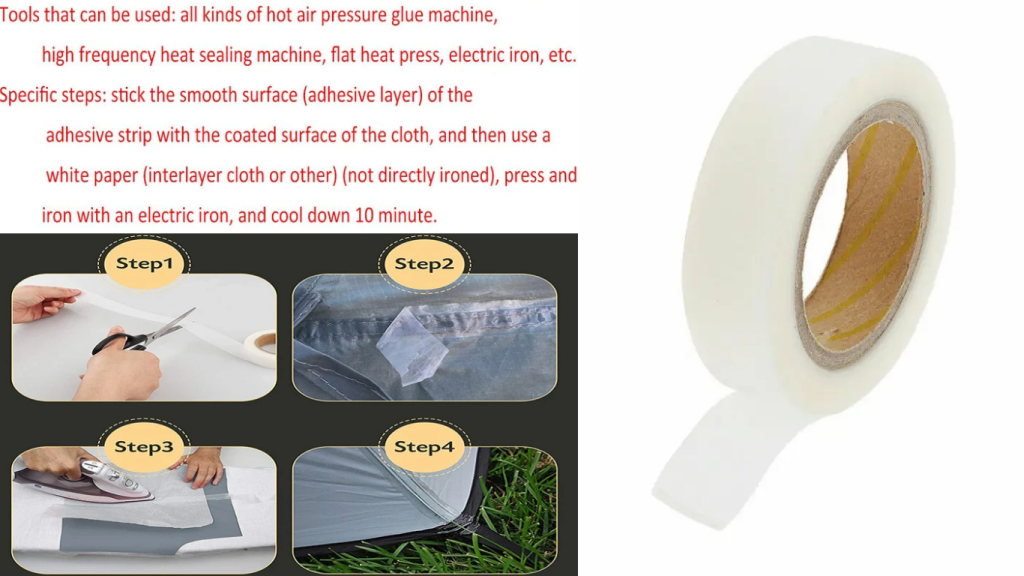
This tape comes in various forms, but the hot melt variety is particularly popular for DIY projects and manufacturing because it bonds firmly with heat (usually applied using a household iron or industrial heat press). The “20m” variant gives ample length for multiple applications, making it cost-effective and practical.
Buy Here
Why Seam Sealing is Essential for Outdoor Gear
Imagine setting up camp and realizing your tent is leaking through the seams, or discovering your high-tech jacket lets in water through the shoulders. These scenarios are not only annoying but can ruin your gear and endanger your safety. Proper seam sealing ensures that even in harsh weather, your gear performs as intended.
For outdoor gear like hiking jackets, snow pants, tents, and backpacks, seam sealing is what elevates them from “water-resistant” to “truly waterproof.” Without it, even the best fabrics will fail in wet conditions. It’s not just for the pros — even casual outdoor enthusiasts benefit from understanding and using seam sealing tape for maintenance or DIY repairs.
Deep Dive into the 20m Iron-On Hot Melt Seam Sealing Tape
Key Features of the 20m Tape
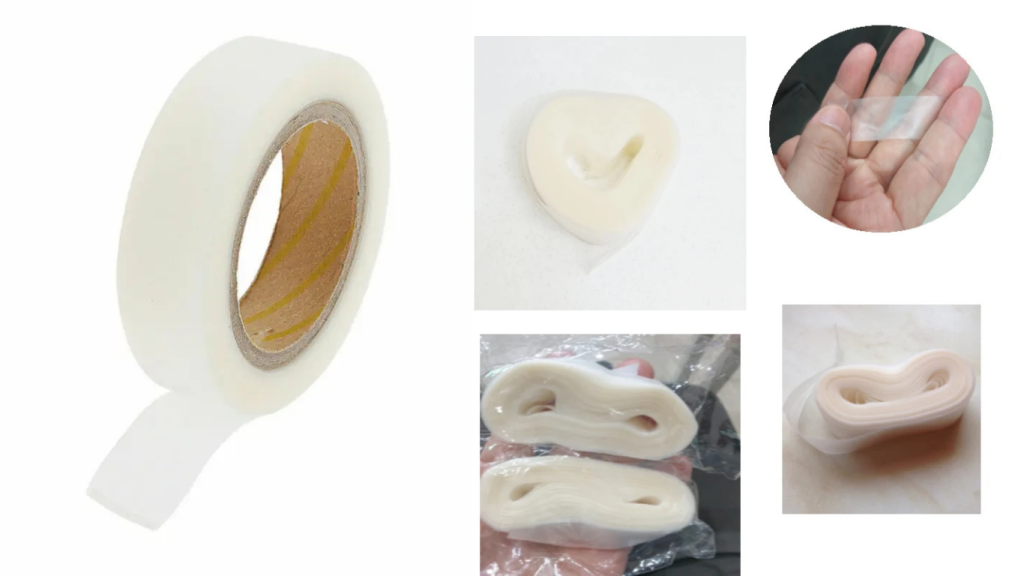
This particular seam sealing tape is a powerhouse when it comes to waterproofing. Here’s why it stands out:
- Length: 20 meters of continuous tape means you can treat large items like tents or multiple jackets without running out.
- Hot melt adhesive: Reacts quickly and bonds securely when heated — no additional glue needed.
- PU coating: Offers flexibility, durability, and enhanced water resistance.
- Lightweight: Doesn’t add unnecessary bulk or weight to your gear.
- Color-matching: Often available in neutral tones that blend with most outdoor gear.
- Resistant to wear: Withstands washing, folding, and environmental exposure once applied.
These features make it ideal for anyone looking to waterproof or re-seal items either at home or in a small workshop setting.
Click Here
Material Composition and PU Coating Explained
The tape’s performance largely depends on its materials. It typically has a dual-layer construction: one side is coated with a polyurethane (PU) layer that provides the water resistance, and the other is a heat-activated adhesive.
Polyurethane (PU) is a synthetic polymer that excels at resisting water, abrasion, and UV damage. It also maintains flexibility, which is critical for items like jackets or tents that need to be folded or moved frequently. PU coatings are breathable, allowing vapor to escape while blocking liquid water — perfect for performance apparel.
Hot melt adhesive is what makes this tape easy to use. When heated, it melts slightly and bonds with the fabric. Once cooled, it forms a tight, durable seal that won’t peel away easily, even with repeated use and washing.
By combining these two materials, the 20m seam sealing tape ensures maximum waterproofing without compromising on comfort or flexibility.