
Introduction to Modern Food Storage Solutions
Why Traditional Storage Methods Are Failing
Let’s face it—your pantry isn’t just a storage room anymore. It’s a battleground. Your food is constantly fighting a losing war against time, moisture, air, and even light. You open a bag of coffee beans, close it with a clip, and by the end of the week? Stale. Your spices clump, your cereal softens, and those once-crisp crackers are nothing more than sad little wafers. The culprit? Poor storage solutions.
Plastic containers, zip-lock bags, and flimsy boxes just don’t cut it anymore. These outdated methods are prone to air leaks, moisture intrusion, and sometimes, they even leach harmful chemicals into your food. Add to that the environmental burden of single-use plastics, and you’ve got more problems than solutions.
People are waking up to the realization that food preservation is more than just “throwing it in a jar.” It’s about extending shelf life, preserving flavor, and maintaining texture—all without sacrificing health or aesthetics. That’s why modern kitchens are seeing a shift toward smarter, more sustainable storage options.
Buy Now
The Rise of Vacuum Sealed Glass Containers
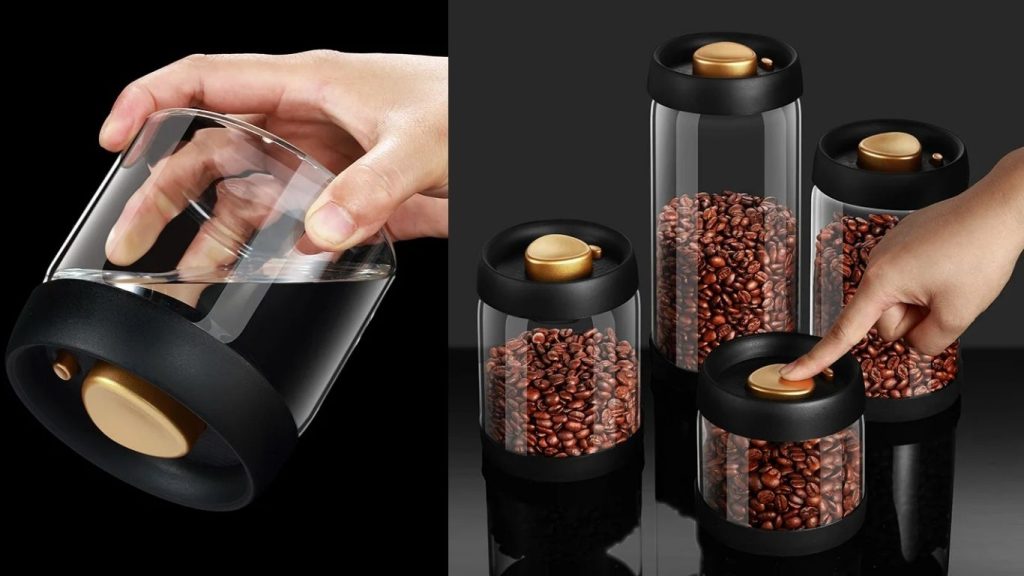
Enter: transparent glass food storage jars with vacuum sealing capabilities. Think of them as the modern-day answer to nearly every food storage woe you’ve ever faced. They combine the durability and safety of glass with the technological edge of vacuum sealing, creating an airtight, moisture-proof environment that locks in freshness like a vault.
These jars are more than just pretty containers to line up on open shelves for your Pinterest-worthy kitchen. They’re workhorses. Whether you’re storing coffee beans, grains, herbs, snacks, or leftovers, vacuum-sealed glass jars extend the lifespan of your food while keeping it fresher, longer.
But it’s not just about function—there’s form too. Their transparency makes it easy to see what you have at a glance, cutting down on waste and grocery bills. Plus, they add a sleek, organized touch to any kitchen aesthetic, from rustic farmhouse to ultra-modern minimalism.
What Are Vacuum Sealed Glass Storage Jars?
Components and Mechanism
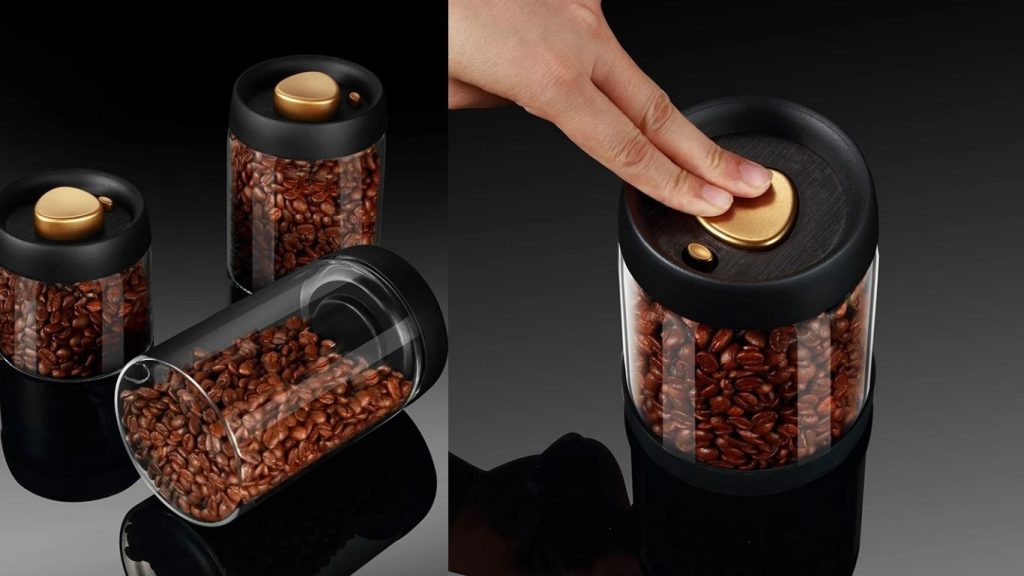
Vacuum-sealed glass jars aren’t just jars with a lid—they’re a system. A well-engineered one at that. Typically, these containers consist of:
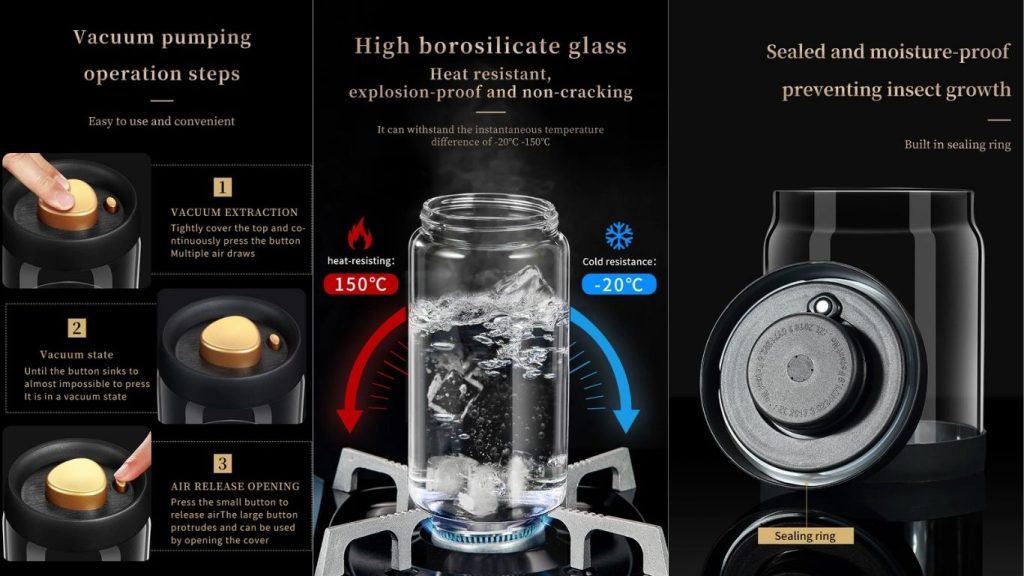
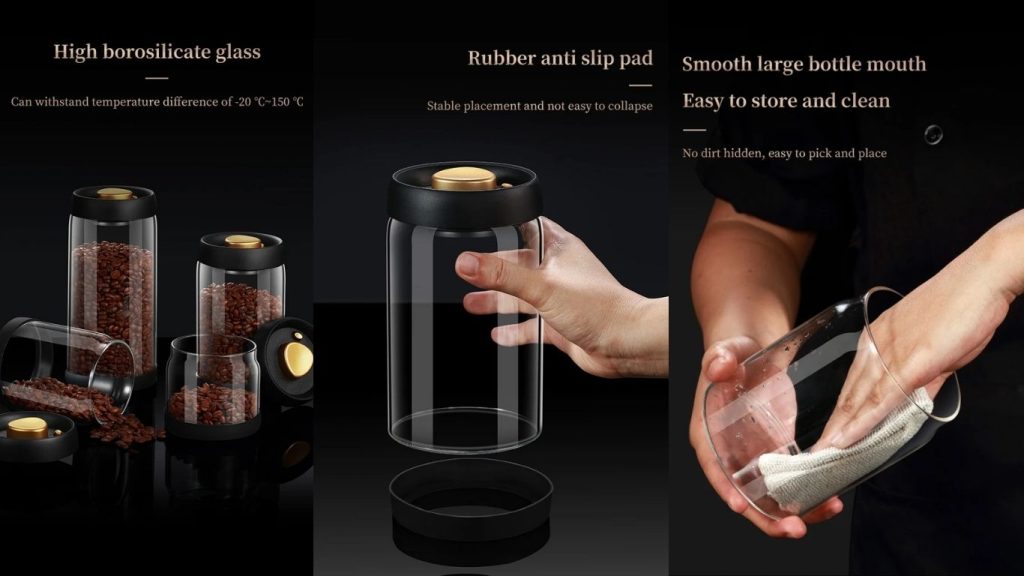
- Thick, borosilicate glass that’s resistant to temperature changes and breakage.
- A silicone or rubber gasket that ensures a tight seal.
- A lid with a vacuum valve (sometimes with a one-touch pump or manual air extraction system).
Here’s how they work: you place your food inside, seal the lid tightly, and then extract the air through the valve using a pump. The result? An internal vacuum environment that’s unfriendly to the oxygen-loving bacteria and moisture that typically cause food to spoil.
Depending on the brand, some models offer a built-in vacuum mechanism, while others require a small hand-pump or even an electric sealing unit. But regardless of how they function, the core idea remains the same—eliminate air, preserve freshness.
The Science Behind Vacuum Sealing
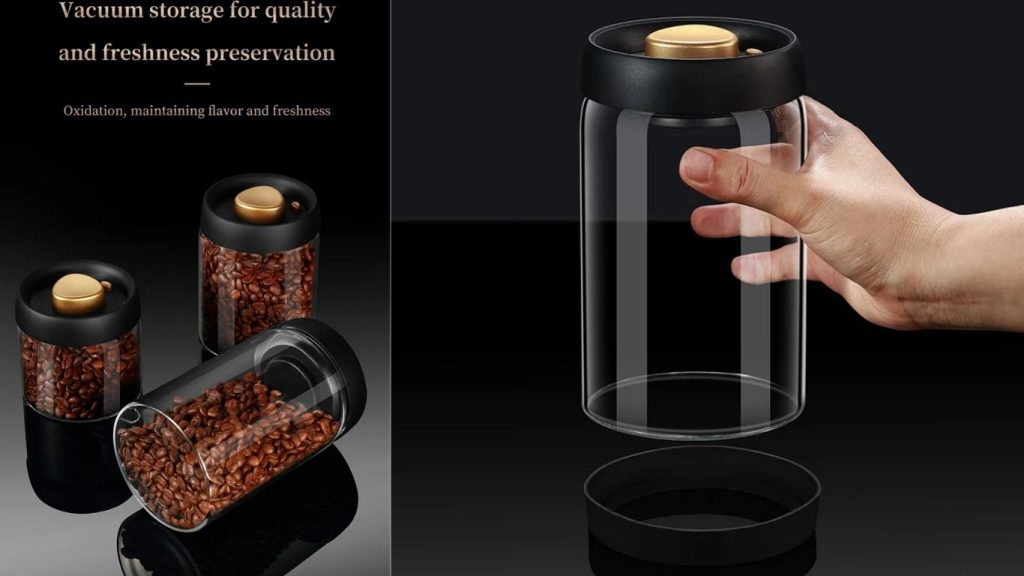
Vacuum sealing works by removing the air (specifically oxygen) from the storage environment. Oxygen is one of the primary accelerators of food spoilage. It enables microbial growth, oxidation, and enzyme activity, all of which degrade food quality.
By vacuum sealing your glass jars:
- You drastically slow down oxidation, keeping oils from turning rancid and colors from fading.
- You prevent mold and bacteria growth, which need oxygen to survive.
- You preserve aromas and flavors, particularly in delicate items like coffee beans, spices, and herbs.
It’s the same principle used in food packaging by commercial producers—only now, you can bring that technology into your kitchen, sustainably and stylishly.
Click Here
Key Features That Make These Jars Stand Out
Airtight Seal for Maximum Freshness
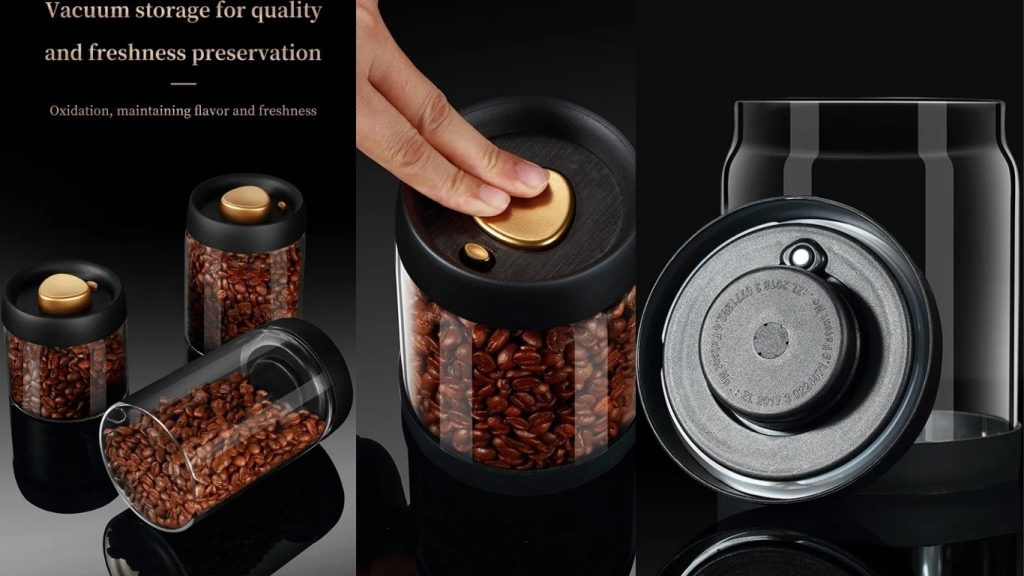
One of the most crucial features of these jars is their airtight seal. This isn’t just a “click and hope” mechanism. It’s engineered to create a barrier so tight that even the most stubborn air particles can’t sneak back in.
A quality vacuum-sealed jar will:
- Withstand changes in air pressure without leaking.
- Maintain its seal even after multiple uses.
- Prevent outside odors from contaminating the contents.
This is especially important for items like coffee beans, which are extremely sensitive to their environment. An airtight seal not only preserves flavor but also aroma—an essential part of the coffee experience.
Moisture-Proof Protection
Moisture is the silent killer of dry goods. One drop of humidity inside a container can lead to clumping, mold growth, and rapid spoilage. Thankfully, these jars are designed to be as moisture-proof as they are airtight.
- The vacuum seal stops external humidity from seeping in.
- The glass material itself is non-porous, unlike plastic, which can absorb and retain moisture over time.
- The silicone gasket acts as a water-resistant shield.
So whether you live in a humid climate or you’re storing your jars near a steamy stove, your contents remain dry and safe.
Clear Transparency for Visibility and Aesthetics
Let’s not underestimate the power of being able to see what you’re storing. With transparent glass jars:
- You’ll know instantly what’s inside—no more guessing or unsealing.
- You reduce waste by keeping better track of your pantry.
- You add a minimalist, modern look to your kitchen shelves.
And let’s be honest—there’s something deeply satisfying about seeing neatly organized rows of pasta, beans, and snacks all lined up in matching glass jars.
Durable and Eco-Friendly Glass Material
These aren’t your grandma’s mason jars. Modern vacuum-sealed glass containers are made from reinforced borosilicate or tempered glass, meaning:
- They’re shatter-resistant under normal use.
- They’re safe for both hot and cold contents, from boiling soups to frozen berries.
- They don’t leach chemicals, unlike many plastics.
Plus, they’re reusable for life. That’s not just good for your wallet—it’s great for the planet. Fewer plastic bags and containers in the trash means a greener kitchen and a cleaner conscience.
Why Coffee Beans Deserve the Best Storage
How Air and Moisture Affect Coffee Quality
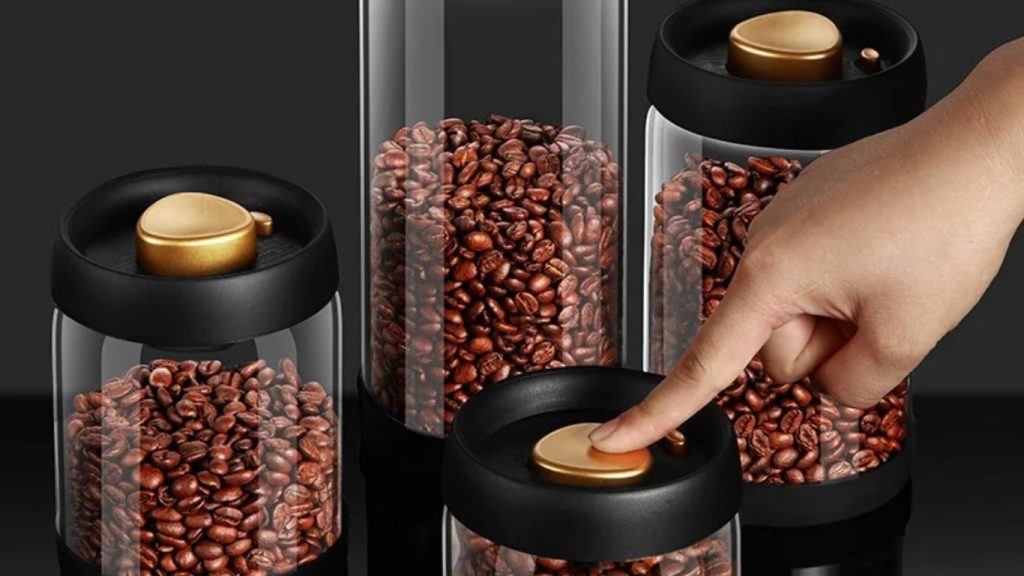
Coffee beans are like little sponges—they absorb everything in their environment. Exposure to air causes oxidation, which makes the oils in the beans go stale. Moisture, on the other hand, can lead to mold or destroy the texture, especially in pre-ground coffee.
What does that mean for your cup of coffee? Dull flavors, less aroma, and a disappointing start to your day.
By using vacuum-sealed glass containers, you block out both air and moisture. This helps preserve the essential oils and aromatic compounds that give your coffee its depth and complexity.
Flavor Preservation Through Vacuum Sealing
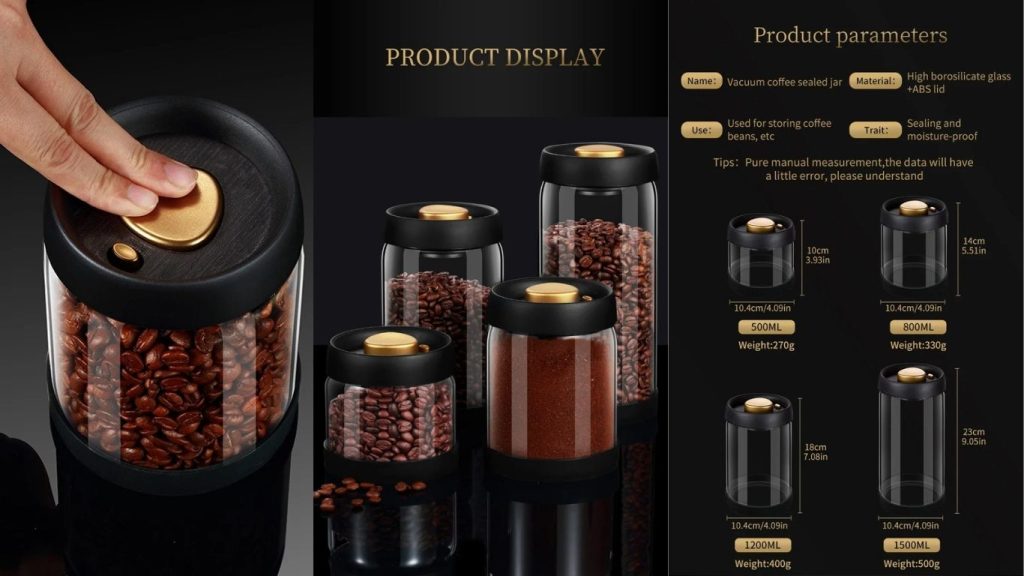
When you vacuum seal coffee beans:
- You slow oxidation dramatically, keeping flavors intact.
- You preserve volatile aromas that would otherwise dissipate.
- You extend shelf life from just a week or two (in a regular container) to a month or more.
That means every brew, whether it’s your morning espresso or an afternoon pour-over, tastes just as fresh as the day you opened the bag.